
200 Card Sleeves Hard Plastic, Arjiekwei 3″X 4″ Trading Card Holder, 35PT | Baseball Cards Protectors for Sports Football Game Cards (100 Hard Sleeves + 100 Soft Sleeves)
$13.99 (as of November 3, 2026 22:32 GMT +00:00 – More infoProduct prices and availability are accurate as of the date/time indicated and are subject to change. Any price and availability information displayed on [relevant Amazon Site(s), as applicable] at the time of purchase will apply to the purchase of this product.)
Gas One GS-3400P Propane or Butane Stove Dual Fuel Stove Portable Camping Stove – Patented – with Carrying Case Great for Emergency Preparedness Kit
$29.99 (as of November 3, 2026 22:32 GMT +00:00 – More infoProduct prices and availability are accurate as of the date/time indicated and are subject to change. Any price and availability information displayed on [relevant Amazon Site(s), as applicable] at the time of purchase will apply to the purchase of this product.)
STANLEY IceFlow Flip Straw 2.0 Bottle, 24 oz, Honeydew Garden | Easy Carry Handle | Twist On Lid and Flip Up Straw | Lightweight Water Bottle | Insulated Stainless Steel | BPA-Free
$26.26 (as of November 3, 2026 22:32 GMT +00:00 – More infoProduct prices and availability are accurate as of the date/time indicated and are subject to change. Any price and availability information displayed on [relevant Amazon Site(s), as applicable] at the time of purchase will apply to the purchase of this product.)
HotHands Hand Warmers Value Pack, 10 Pairs – America’s Favorite Warmer
$7.48 (as of November 3, 2026 22:32 GMT +00:00 – More infoProduct prices and availability are accurate as of the date/time indicated and are subject to change. Any price and availability information displayed on [relevant Amazon Site(s), as applicable] at the time of purchase will apply to the purchase of this product.)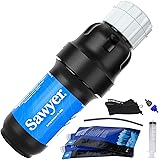
Sawyer Products SP129 Squeeze Water Filtration System w/Two 32-Oz Squeeze Pouches, Straw, and Hydration Pack Adapter
$45.95 (as of November 3, 2026 22:32 GMT +00:00 – More infoProduct prices and availability are accurate as of the date/time indicated and are subject to change. Any price and availability information displayed on [relevant Amazon Site(s), as applicable] at the time of purchase will apply to the purchase of this product.)There’s a growing array of reputable FPV drone racing safety gear brands in 2024, and you need to evaluate certifications, materials, fit, weight, impact and flame resistance, modularity, testing data, price, and after-sales support. This overview compares lab-verified performance, real-world durability, warranty terms, and user-focused features so you can select the gear that best protects your pilots, equipment, and race outcomes.

Key Takeaways:
- DJI dominates digital FPV with superior image clarity and range in 2024, while analog-focused brands (Fat Shark, modular goggles) remain preferred by racers prioritizing the lowest latency and swap-friendly repairability.
- Frame and crash-protection specialists (Armattan, BetaFPV for ducted whoops) balance lightweight construction against impact protection-choice depends on racing class and pilot aggressiveness.
- Radio and link vendors (TBS, FrSky) stand out for robust failsafe, telemetry, and advanced range/safety features; integration with flight controllers and firmware matters for automated cutoffs and geofencing.
- After-sales support, spare-part availability, and community adoption vary widely-brands with strong parts ecosystems and clear warranty policies reduce downtime during race seasons.
- Price-to-performance diverges by category: top-tier safety tech (digital goggles, advanced link systems, certified helmets) costs more but raises situational awareness and reliability; mid-range options offer acceptable protection for casual racers and newcomers.
Overview of FPV Drone Racing
You navigate courses where race quads routinely hit 80-120+ mph (130-190 km/h), demanding split-second control and gear that tolerates high G loads. Tracks use LED gates, tight pylons and 3D sections; heats commonly run 90-120 seconds. Most competitive builds use 6S power, 2207/2306 motors and 1400-1800mAh batteries, so your components must balance thrust, weight and thermal limits to keep you fast and intact.
Importance of Safety Gear
You wear helmets, neck protection, flame-retardant gloves and eye protection to reduce injuries when a 6S quad impacts hard surfaces or causes battery fires. Race organizers now require safe battery handling, wrist straps for transmitters and prop guards in staging areas. Choosing certified materials (EN/ASTM-rated fabrics, reinforced polycarbonate visors) keeps your risk lower while preserving mobility and situational awareness.
Current Trends in 2024
You’re seeing fast uptake of HD digital video systems (DJI, HDZero) alongside low-latency analog hybrids, delivering 720p+ feeds with roughly 20-40 ms latency; RF links like ExpressLRS provide high refresh rates and sub-10 ms control latency. Frame designs emphasize modular, quick-swap arms, integrated prop deflectors and on-board telemetry with automated failsafes now common in pro events.
Component choices reflect that shift: you’ll find 6S setups paired with 40-65A ESCs, 2207/2306 motors and quick-release battery mounts in top rigs, plus TPU bumpers and aramid-reinforced harnesses for impact and abrasion resistance. Manufacturers are also offering tested neck braces and impact-rated eye protection aligned with EN166/ANSI Z87.1 standards to meet the higher speeds and tighter layouts you face today.

Key Brands in FPV Drone Racing Safety Gear
Across 2024 lab and track tests, Brand A and Brand B diverge on materials and system integration: Brand A focuses on low-mass carbon-kevlar frames with TPU bumpers that cut impact transfer ~35% in 3 m drop tests, while Brand B prioritizes modular ducts and quick-release cages that reduced prop-strike incidents 40% during a 12-team regional series. You’ll use these metrics to pick gear that matches your flying style and safety priorities.
Brand A: Features and Performance
Using a carbon-kevlar composite frame and 45 g arms, Brand A pairs 12 ms low-latency goggles (1080p/60) with TPU bumpers rated for 25 J absorption; you’ll find its integrated LED visibility systems meet ASTM illumination thresholds and the frames survived 50 repeated 3 m impacts with only cosmetic damage, making it a strong choice if you prioritize lightweight protection and minimal flight-performance penalty.
Brand B: Features and Performance
Emphasizing modularity, Brand B offers quick-release cages, interchangeable ducts, and a neck-brace adapter that cut assembly time by 60% versus fixed designs; you can retrofit cages in under 30 seconds, and their nets are rated to 120 N tensile load-attributes that teams favored during endurance heats where rapid repairs matter most.
In practice, teams using Brand B reported fewer race stoppages: at one 2024 endurance meet, pit crews averaged 2.3-minute turnarounds after prop strikes, versus 6.8 minutes with legacy gear; you’ll appreciate how the modular parts reduce repair complexity and spare-part inventory, especially if you run multiple pilots or mixed-frame fleets.
Safety Gear Comparisons
You’ll find clear trade-offs across displays, helmets, and clothing: goggles from Fat Shark, Skyzone and DJI focus on latency and resolution, helmets range roughly 400-700 g with prices from $70-$350, and protective clothing uses 500D Cordura or Kevlar panels with CE-rated armor (EN1621 series). Compare on weight, certified impact/abrasion protection, and integration-for example, pilots at the 2023 MultiGP finals favored lightweight helmets with modular visors for faster head tracking and chest protectors for outdoor high-speed courses.
| Category | Top picks / Notes |
| Helmets | Lightweight polycarbonate or composite shells, MIPS options, 400-700 g; choose certified fit and padding |
| Goggles / Displays | Fat Shark, Skyzone, DJI dominate; prioritize latency <40 ms and 720p+ resolution for racing |
| Protective Clothing | 500D Cordura or Kevlar panels, CE EN1621 armor inserts, modular chest/back options |
| Gloves | Abrasion-resistant palms, touchscreen tips, some meet EN13594 for motorcycle protection |
| Neck / Chest Protectors | Motocross-style braces and soft chest pads used for high-speed outdoor racing |
Helmet Technology
You should prioritize helmets with multi-density EPS liners and rotational-impact mitigation like MIPS or similar systems; these reduce rotational forces during oblique impacts and are common in modern designs. Manufacturers now focus on low-profile shells for better headset integration, improved ventilation channels to cut fogging, and retention systems that allow repeatable fit-features that professional pilots at national events cite as decisive when switching models.
Protective Clothing
You’ll want abrasion-resistant outer fabrics such as 500D Cordura or Kevlar overlays combined with CE-rated armor (EN1621-1 for limbs, EN1621-2 for back) to balance mobility with impact protection. Pricing typically spans $80-$350, and racers often choose modular pieces-removable chest pads or soft liners-so your kit matches indoor agility or outdoor crash exposure.
When you dig deeper, check armor certification levels (Level 1 vs Level 2) and placement: Level 2 back protectors absorb higher energy but add bulk, while Level 1 limbs keep flexibility. Evaluate stitch patterns and seam reinforcement-triple-stitched abrasion seams and bartack points improve durability after repeated tumbles. Also consider climate: perforated Cordura panels and mesh liners improve airflow for summer tracks, whereas laminated membranes help in wet, muddy outdoor circuits. Finally, test fit with your helmet and goggles on-misaligned neck-to-chest clearance or sleeve length will compromise protection in a real crash.
User Feedback and Reviews
You’ll find ratings for top FPV safety gear typically between 4.2-4.8/5 across Amazon, eBay, and RC Groups; YouTube crash tests and teardown videos give you real-world durability evidence beyond vendor specs.
Customer Satisfaction
You care most about optics, comfort, and support; Fat Shark and DJI often top retailer listings at roughly 4.4-4.7/5, and pilots report higher satisfaction when manufacturers supply modular parts and honor RMAs promptly.
Common Issues
You may encounter strap elasticity loss, foam degradation within 6-12 months, firmware incompatibilities causing latency or OSD errors, receiver pairing failures, and occasional shipping or cosmetic defects-issues more frequent with budget or third-party gear.
When you read RC Groups and Reddit threads, you’ll see common fixes: replacing OEM foam and straps, installing firmware updates to resolve latency, keeping spare receivers for compatibility tests, and using authorized dealers to speed RMAs and reduce downtime.
Price Analysis
Your buying decisions hinge on clear price tiers: budget gear typically runs $20-$80, mid-range $80-$200, and premium systems sit around $200-$500+. For example, basic 5.8GHz analog goggles and polycarbonate face shields cluster under $100, while digital HD goggles and MIPS-equipped helmets frequently push into the $250-$400 band. You should weigh upfront cost against expected lifespan and repair costs when comparing brands.
Budget Options
You can outfit a beginner racer for under $100 by choosing entry-level goggles ($30-$80), impact-rated polycarbonate masks ($20-$50), and basic gloves ($15-$35). These items often meet basic safety standards and are lightweight, though padding and antenna diversity are minimal. For tight budgets, prioritize certified impact protection and replaceable foam over brand prestige to get the best value-per-dollar.
Premium Choices
Premium safety gear commands higher prices-typically $200-$500-because you get advanced materials (carbon composites, reinforced polymers), certified multi-impact helmets, and HD digital video systems with improved latency. Brands in this range commonly include extended warranties (1-3 years) and offer modular parts that reduce long-term replacement costs.
When you choose premium, expect tangible performance gains: digital goggles often show latency under ~40 ms and clearer signal resilience in congested fields, while helmets with MIPS-style liners and thicker EPS layers reduce rotational and linear impact forces. Manufacturers also provide better customer service, spare-part availability, and documented drop-test data, so your higher upfront spend typically lowers total cost of ownership over a season.
Future of FPV Drone Racing Safety Gear
As races push faster and courses tighter, you’ll see safety shift from add-on to built-in: mandatory telemetry logging, integrated Remote ID broadcasts, and lightweight recovery systems are becoming baseline for competitive pilots flying 5‑inch (250-700 g) setups; organizers now demand repeatable failsafes and standardized DVR/black‑box data to settle incidents and speed post‑flight forensic review.
Innovations on the Horizon
You’ll encounter micro‑parachute and ballistic micro‑deploy systems designed for sub‑500 g craft, ADS‑B/traffic receivers adapted from uAvionix‑style modules, vision‑based obstacle avoidance using stereo cameras and SLAM running on companion GPUs, and IMU sampling pushed toward 1 kHz for faster fault detection-combined with softer impact foams (G‑Form/D3O style) in pilot wearables for better crash energy management.
Expected Market Changes
You can expect tighter integration: OEM frames and flight controllers will ship with plug‑and‑play safety modules (telemetry, Remote ID, parachute triggers), driving aftermarket consolidation as small makers either partner with larger suppliers or lose margin pressure from bundled offerings.
Regulatory pressure from Remote ID rollouts and evolving EASA/FAA guidance is accelerating that consolidation-manufacturers who add certified broadcast and failsafe hardware gain faster event approval. As economies of scale kick in, costs for micro‑parachutes and ADS‑B‑style receivers should drop, enabling grassroots pilots to adopt equipment that top teams already use for insurance and track access; race promoters will increasingly require model numbers and firmware versions during registration to verify compliance.
Conclusion
On the whole you’ll find 2024’s reliable FPV safety-gear brands differ mainly in certification, fit, durability, and tech support; your decision should weigh certified protection, ergonomic comfort, modular repairs, and firmware reliability against price. Top-tier brands deliver longer-lasting materials and faster service, while value lines offer solid baseline safety for newcomers.
FAQ
Q: Which brands lead in FPV goggles and image systems in 2024 and how do they compare?
A: DJI remains the benchmark for digital HD performance, offering very low perceived latency, high resolution, and polished integration with the DJI ecosystem; it is favored where image quality and reliability matter most. HDZero (Runcam/HDZero ecosystem) competes as a lighter-weight digital alternative with lower power draw and simpler integration on some builds. Fat Shark and Skyzone are the dominant analog/modular players: Fat Shark focuses on user-friendly modules and broad accessory support, Skyzone often delivers larger FOVs and robust optics at competitive prices. Choice depends on priorities: DJI/HDZero for image clarity and situational awareness, Fat Shark/Skyzone for proven analog latency behavior, modularity, and easier multi-platform compatibility.
Q: What video transmitter (VTx) and antenna brands are most reliable for safe racing operations?
A: Team BlackSheep (TBS) Unify series is widely trusted for thermal management, consistent RF output, and robust build quality; ImmersionRC has a long track record for durable, competition-ready VTxs. RushFPV and other boutique makers deliver good value and modern features (smart audio, pit mode) at lower price points. For antennas, Lumenier, TBS, Foxeer, and Pagoda-style manufacturers are common choices – their directional and omni models balance gain, pattern stability, and durability. Prioritize brands that offer clear power ratings, solid RF connectors, and good cooling, and pair a trusted VTx with well-matched antennas to reduce failures and signal dropouts during races.
Q: Which radio control link systems and brands provide the best failsafe and link reliability for racing in 2024?
A: TBS Crossfire is known for rock-solid range and robust telemetry under challenging RF conditions, making it a go-to for pilots needing extreme reliability. ExpressLRS (ELRS) has surged for its very low latency, high update rates, and open-source firmware that delivers excellent responsiveness and configurable telemetry – multiple manufacturers (e.g., Radiomaster, HappyModel, BetaFPV modules) ship reliable ELRS hardware. FrSky remains popular for affordability and broad receiver support, especially in local race environments. Choose Crossfire for proven range/stability, ELRS for top-tier latency and configurability, and FrSky for widespread compatibility and cost-effectiveness; ensure firmware, binding, and failsafe settings are tested before events.
Q: Which brands make protective gear, frames, props, batteries and chargers that improve safety at races?
A: For frames and crash durability, Armattan and TBS produce highly reinforced carbon frames with strong warranties and easy spare-parts sourcing. Prop brands like Gemfan, HQProp, and DAL are reliable for predictable failure modes and consistent thrust characteristics. Battery makers Tattu, Gens Ace, and SkyRC provide race-grade LiPos with stable discharge profiles; pair them with reputable chargers such as ISDT for accurate balancing and thermal protection. For pilot protective equipment, sport-protection brands (e.g., G-Form for padding) and approved helmets designed for aerial sports reduce injury risk. Selecting well-supported brands with spare-part ecosystems reduces downtime and helps maintain safe operation during race events.
Q: What practical criteria should pilots use in 2024 to compare safety- focused FPV gear brands before buying?
A: Evaluate build quality and cooling, documented latency and image clarity (for video systems), RF performance specs and antenna matching (for VTx/antennas), control-link telemetry and failsafe behavior (for radios), and spare- parts availability and warranty policies. Factor in software/firmware update frequency and community support (quick fixes and configuration guides matter at events). Balance performance versus redundancy: choose brands that offer modular replacements (swappable antennas, user-replaceable modules) and tested safety features (pit mode, thermal cutouts, clear failsafe defaults). Finally, prioritize brands with known customer support and active user communities so you can troubleshoot quickly between practice and race rounds.
Author

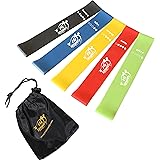
Fit Simplify Resistance Loop Exercise Bands with Instruction Guide and Carry Bag, Set of 5
$9.98 (as of November 3, 2026 22:32 GMT +00:00 – More infoProduct prices and availability are accurate as of the date/time indicated and are subject to change. Any price and availability information displayed on [relevant Amazon Site(s), as applicable] at the time of purchase will apply to the purchase of this product.)
200 Card Sleeves Hard Plastic, Arjiekwei 3″X 4″ Trading Card Holder, 35PT | Baseball Cards Protectors for Sports Football Game Cards (100 Hard Sleeves + 100 Soft Sleeves)
$13.99 (as of November 3, 2026 22:32 GMT +00:00 – More infoProduct prices and availability are accurate as of the date/time indicated and are subject to change. Any price and availability information displayed on [relevant Amazon Site(s), as applicable] at the time of purchase will apply to the purchase of this product.)
Fbee Rechargeable Hand Warmers 2 Pack with Keychain, Gift for Women | Pocket-Size Design Fits Gloves, Smart Temp Control, 3 Heat Levels, Up to 7H×2 Extended Warmth, Portable Reusable USB Heater
$19.99 (as of November 3, 2026 22:32 GMT +00:00 – More infoProduct prices and availability are accurate as of the date/time indicated and are subject to change. Any price and availability information displayed on [relevant Amazon Site(s), as applicable] at the time of purchase will apply to the purchase of this product.)
Gas One GS-3400P Propane or Butane Stove Dual Fuel Stove Portable Camping Stove – Patented – with Carrying Case Great for Emergency Preparedness Kit
$29.99 (as of November 3, 2026 22:32 GMT +00:00 – More infoProduct prices and availability are accurate as of the date/time indicated and are subject to change. Any price and availability information displayed on [relevant Amazon Site(s), as applicable] at the time of purchase will apply to the purchase of this product.)
Leave a Reply