
Nalgene 32 oz Wide Mouth Water Bottle, Gray w/ Black Lid | BPA-Free, Durable & Lightweight, Leak Proof, Dishwasher Safe, Large Reusable Plastic Bottle for Hiking, Gym, Work & Travel
$16.31 (as of October 15, 2026 21:03 GMT +00:00 – More infoProduct prices and availability are accurate as of the date/time indicated and are subject to change. Any price and availability information displayed on [relevant Amazon Site(s), as applicable] at the time of purchase will apply to the purchase of this product.)
CAP Neoprene Dumbbell Pairs & Sets, Color Series, Non-Slip Grip, Hex Design
$24.01 (as of October 15, 2026 21:03 GMT +00:00 – More infoProduct prices and availability are accurate as of the date/time indicated and are subject to change. Any price and availability information displayed on [relevant Amazon Site(s), as applicable] at the time of purchase will apply to the purchase of this product.)
adidas FIFA World Cup 26™ Trionda Soccer Ball | Requires Inflation, For Indoor or Outdoor, Grass or Artificial Turf, Official Licensed World Cup Product
$26.95 (as of October 15, 2026 21:03 GMT +00:00 – More infoProduct prices and availability are accurate as of the date/time indicated and are subject to change. Any price and availability information displayed on [relevant Amazon Site(s), as applicable] at the time of purchase will apply to the purchase of this product.)
Owala FreeSip Stainless Steel Water Bottle 24 oz Toile Be Home
$34.99 (as of October 15, 2026 21:03 GMT +00:00 – More infoProduct prices and availability are accurate as of the date/time indicated and are subject to change. Any price and availability information displayed on [relevant Amazon Site(s), as applicable] at the time of purchase will apply to the purchase of this product.)
HotHands Hand Warmers Value Pack, 10 Pairs – America’s Favorite Warmer | Enough to Share the Warmth-Air-Activated, Disposable, Long-Lasting, Dependable for Hunting, Golfing, Spectating, Camping
$7.48 (as of October 15, 2026 21:03 GMT +00:00 – More infoProduct prices and availability are accurate as of the date/time indicated and are subject to change. Any price and availability information displayed on [relevant Amazon Site(s), as applicable] at the time of purchase will apply to the purchase of this product.)Steel structures that once defined Pittsburgh’s industrial era are now transforming into dynamic arenas for FPV drone racing, giving you unique flying experiences unlike anywhere else. As you navigate this urban-industrial landscape, you’ll discover affordable indoor and outdoor tracks supported by local maker labs, drone startups, and universities invested in advancing FPV technology. This blend of academic innovation and grassroots enthusiasm creates the perfect environment for your racing ambitions, offering thrilling courses and strong community backing in a city reimagining its skyward possibilities.
Key Takeaways:
- Pittsburgh’s post-industrial sites provide unique and dynamic environments ideal for FPV drone racing.
- Local maker labs and drone startups are driving innovation and community engagement in the FPV scene.
- Indoor winter tracks and universities support year-round FPV projects, expanding opportunities for enthusiasts and researchers.
- Affordable flying zones make Pittsburgh an accessible hub for pilots of all skill levels.
- The combination of academic resources and grassroots support fosters a vibrant and growing FPV racing community.
Urban Landscapes Reimagined: The Post-Industrial Playground
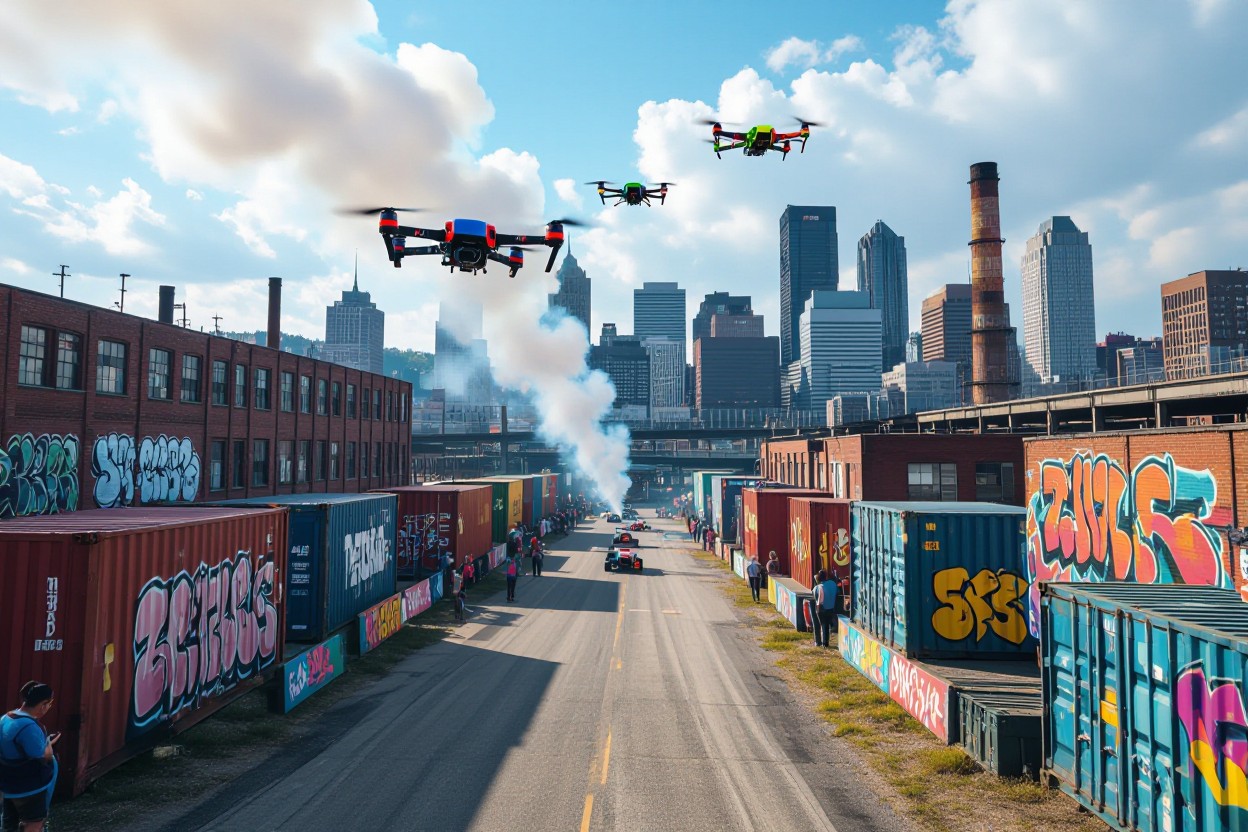
Pittsburgh’s legacy of steel mills and warehouses has sculpted an urban landscape where rusted beams and vast, open interiors form a natural course for FPV drone racing. These post-industrial sites offer you affordable and accessible flying zones surrounded by raw, industrial aesthetics that cannot be replicated in typical racing arenas. The layered textures of brick, metal, and concrete provide challenging environments that test your piloting skills while offering visually stunning backdrops made for both competition and content creation.
Transforming Old Factories into Drone Racing Venues
Many former factories across Pittsburgh have found new life as indoor FPV racing tracks. For example, the repurposed Allegheny Spaces facility hosts weekly races, combining industrial remnants with modern tech infrastructure to create an ideal setting. These venues give you the benefit of all-weather flying, particularly during winter months, and the spacious interiors allow for intricate course designs that push your maneuvering skills.
The Role of Abandoned Spaces in FPV Culture
Abandoned buildings and neglected industrial zones in Pittsburgh act as unofficial playgrounds where FPV pilots fuse creativity with adrenaline. These areas provide unmatched versatility for custom racecourses and freestyle flights, encouraging experimentation with speed and agility. The gritty, atmospheric surroundings also amplify the visual impact of your flights, turning every race into a dramatic urban adventure.
The culture surrounding abandoned spaces in Pittsburgh reflects a broader FPV ethos of resilience and innovation. Numerous local pilots regard these sites as blank canvases, where boundaries of conventional racing dissolve into freestyle exploration. Over time, some groups have collaborated with property owners and city authorities, gaining permission to safely utilize these locations, which adds an element of legitimacy while preserving the underground spirit. This blend of sanctioned and underground usage enriches the FPV community’s connection to the city’s industrial past, turning forgotten structures into vibrant hubs of high-tech sport and creativity.
The Pulse of Innovation: Local Maker Labs and Startups
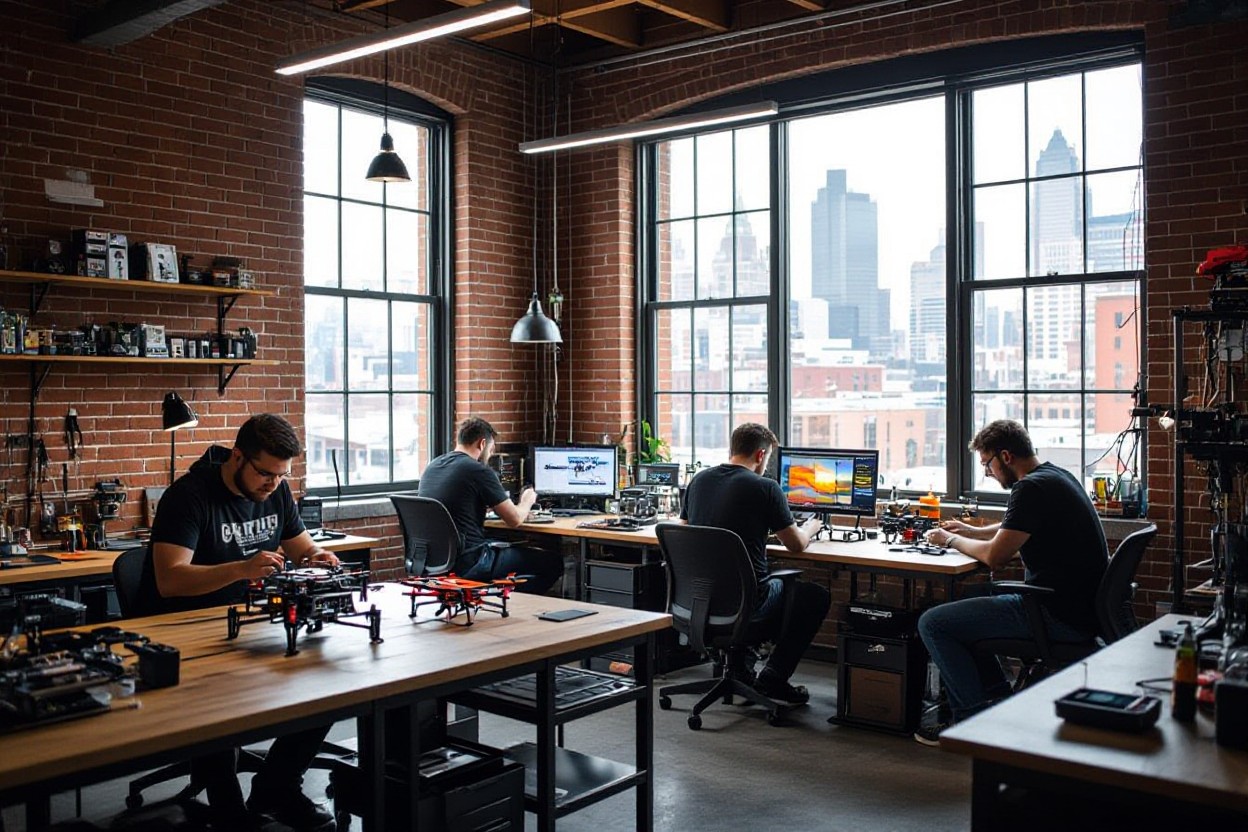
You’ll find Pittsburgh’s maker labs and drone startups at the heart of its FPV renaissance. These spaces transform former steel mills and warehouses into hubs where cutting-edge drone technology comes alive. By combining technical expertise with a passion for urban-industrial aesthetics, they’re developing drones designed for speed and precision in complex environments. This cluster of innovators doesn’t just build drones—they’re cultivating an ongoing collaboration between hobbyists, engineers, and entrepreneurs, all fueling the city’s rapidly growing FPV culture.
Pioneering Drone Technology in Pittsburgh
Companies like Pittsburgh’s DRONZYS and AeroForge push the boundaries of FPV tech, experimenting with lightweight carbon-fiber frames and advanced AI for obstacle avoidance. University labs such as Carnegie Mellon’s Robotics Institute add to the momentum, piloting projects that integrate machine learning for autonomous flight. These developments give you access to some of the most refined drone systems tailored specifically for navigating the city’s post-industrial maze.
Collaborative Spaces: Fostering Community and Innovation
Maker labs such as TechShop Pittsburgh and Assemble provide well-equipped indoor tracks where you can test custom drones year-round. These spaces also encourage networking and mentorship through hackathons and workshops, blending grassroots enthusiasm with professional innovation. This synergy creates an ecosystem where your development in FPV flying benefits from diverse expertise and shared resources.
As you dive deeper into Pittsburgh’s collaborative labs, you’ll discover how they become incubators for both amateur and professional pilots. Weekly meetups and sponsored races encourage continuous skill-building, while access to 3D printers, CNC machines, and specialized flight simulators lets you iterate designs quickly. This integration not only boosts your drone-building capabilities but also embeds you in a vibrant community passionate about pushing FPV racing forward in a city uniquely suited for it.
Winter Flying: The Rise of Indoor Tracks and Events
Pittsburgh’s FPV community thrives year-round, thanks in large part to its growing network of indoor tracks that keep pilots flying through harsh winters. These indoor venues transform underutilized post-industrial spaces into dynamic arenas, offering affordable and weatherproof environments where you can race or hone your skills regardless of conditions outside. This adaptability helps maintain momentum for local pilots and brings consistent engagement to the scene during months when outdoor flying is limited.
Exploring Indoor Venues for Year-Round Racing
Within Pittsburgh, warehouses and repurposed industrial spaces have become the go-to locations for FPV indoor tracks. Facilities like the Pittsburgh Drone Dome and community centers supported by local maker labs provide versatile layouts that challenge your flying techniques. These venues often feature modular track designs, allowing for race variations and accommodating both beginners and advanced pilots. You benefit from affordable access and a tight-knit community environment that fosters competition and collaboration.
Notable Competitions and Their Impact on the Scene
You’ll find several standout FPV events, such as the annual Steel City Drone Challenge, which draws pilots from across the region to compete indoors, leveraging Pittsburgh’s industrial aesthetics. These competitions boost local visibility, attract sponsorships, and help cultivate a skilled pilot base that supports Pittsburgh’s reputation as a rising hub.
The Steel City Drone Challenge exemplifies how racing events invigorate Pittsburgh’s FPV culture by combining competitive excitement with community building. Drawing over 150 participants in its latest iteration, the event capitalizes on the city’s unique venues, including a converted factory space with intricate courses that test precision and speed. Local universities contribute technology and media coverage, amplifying awareness while startups participate by showcasing their latest drone innovations. This synergy between events and stakeholders strengthens your connection to Pittsburgh’s evolving drone ecosystem.
Academic Engagement: Universities Leading the Charge
Pittsburgh’s universities have embedded FPV drone racing into their curriculum and research, turning your curiosity into tangible innovation. Institutions like Carnegie Mellon and the University of Pittsburgh offer dedicated labs where students prototype racing drones and develop autonomous flight algorithms. These academic hubs not only sharpen technical skills but also provide you access to resources and mentorship, bridging theory and real-world FPV applications in a city that thrives on technological reinvention.
Groundbreaking FPV Projects in Local Institutions
You can find pioneering FPV projects such as Carnegie Mellon’s Drone Lab, where researchers develop AI-driven navigation systems optimized for complex urban courses. Meanwhile, the University of Pittsburgh hosts student-led competitions and FPV workshops that push the limits of drone agility and sensor integration. These initiatives equip you with cutting-edge knowledge while turning Pittsburgh’s indoor winter tracks and rugged industrial spaces into live testing grounds.
Partnerships Between Academia and Industry
Collaborations between universities and local drone startups create a dynamic ecosystem where your innovative ideas meet practical industry needs. These partnerships facilitate shared resources, joint research, and rapid prototyping—accelerating advancements in FPV technologies. Companies like Vayu Inc. frequently engage with academic teams to refine drone designs, pilot training systems, and race analytics, offering a direct pathway from classroom innovation to marketplace impact.
Such alliances amplify your FPV experience by integrating academic rigor with entrepreneurial agility. Vayu Inc.’s collaboration with Carnegie Mellon led to development of adaptive flight controllers that respond in real time to urban obstacles, a breakthrough tested extensively on Pittsburgh’s unique post-industrial courses. These joint efforts also open internship and funding opportunities that empower you to transition seamlessly from student pilot to industry contributor, fueling Pittsburgh’s FPV renaissance with new talent and advanced tech.
The Economic and Social Advantages of FPV Racing
Pittsburgh’s mix of accessible urban-industrial spaces and strong local support turns FPV racing into more than a hobby—it becomes a community-driven economic and social force. You benefit from affordable flying zones situated in repurposed post-industrial sites, which keep overheads low and encourage participation across income levels. Meanwhile, universities and grassroots groups offer avenues for collaboration, mentorship, and innovation, creating a dynamic environment where tech enthusiasts, entrepreneurs, and racers intersect. This combined ecosystem fuels both economic growth and social cohesion around a shared passion for high-speed, precision flying.
Accessible Locations: Making Flying Affordable
The city’s repurposed steel mills and warehouse districts offer extensive, low-cost spaces where you can fly without fine-grain restrictions or heavy fees common in other metropolitan areas. Indoor winter tracks also let you practice and race year-round, avoiding seasonal downtime. By avoiding pricey private venues, Pittsburgh makes FPV accessible whether you’re a beginner or a seasoned pilot, fostering a diverse and growing rider base. Local maker labs also provide parts and repair services at reasonable prices, making entry and sustained participation financially viable.
Building Community Through a Shared Passion
You’ll find that Pittsburgh’s FPV scene thrives on more than technology—it’s the enthusiastic, tight-knit community that gives it life. Local drone clubs regularly host events and workshops, encouraging pilots of all levels to connect, collaborate, and compete. Universities engage students in research projects and races, creating a pipeline of new talent eager to innovate. This blend of academic, entrepreneurial, and grassroots energy cultivates a welcoming space where you can share your passion, gain skills, and build lasting relationships.
Communities like the Steel City FPV crew exemplify how shared interests breed strong social bonds. Their monthly races attract up to 50 pilots, drawing from diverse backgrounds including engineers, hobbyists, and students. These gatherings double as hands-on learning sessions where veterans share insights about navigating Pittsburgh’s complex industrial landscapes with newcomers. Additionally, partnerships with local startups have turned these events into incubators for product testing and feedback, intertwining community engagement with innovation and regional economic impact.
Final Words
On the whole, From Steel to Sky: Pittsburgh’s FPV Drone Racing Renaissance shows how you can take full advantage of the city’s unique post-industrial spaces for dynamic FPV flying. With affordable zones, strong support from local maker labs and universities, and exciting urban-industrial backdrops, your FPV experience is both innovative and accessible in Pittsburgh. Whether you’re a hobbyist or a serious racer, this vibrant scene offers opportunities to enhance your skills and connect with a passionate community.
FAQ
Q: What makes Pittsburgh’s post-industrial spaces ideal for FPV drone racing?
A: Pittsburgh’s post-industrial areas offer expansive, varied environments like old factories, warehouses, and steel mills that provide unique, challenging terrain for FPV pilots. These spaces create visually striking courses with urban-industrial aesthetics that enhance the racing experience, making them both engaging and distinctive compared to typical drone tracks.
Q: How do local maker labs and drone startups contribute to the FPV community in Pittsburgh?
A: Local maker labs and drone startups play a significant role by providing resources such as workshops, technical support, and collaborative environments. They foster innovation and skill development, helping enthusiasts tinker with drone technology, build custom FPV gear, and promote community events that boost participation and enthusiasm for drone racing.
Q: Are there indoor facilities available for FPV drone racing during Pittsburgh’s winter months?
A: Yes, Pittsburgh features several indoor winter tracks specifically designed for FPV drone racing. These venues allow pilots to continue practicing and competing year-round, regardless of weather conditions. Indoor tracks often include obstacles and courses tailored to maintain high levels of challenge and excitement during the colder months.
Q: What role do universities in Pittsburgh have in advancing FPV drone projects?
A: Pittsburgh’s universities actively engage in FPV drone initiatives through research and student-led clubs. They contribute academic expertise in fields like robotics, aeronautics, and computer science while organizing competitions, workshops, and technical demonstrations. This academic involvement helps bridge theoretical knowledge with practical FPV applications.
Q: What advantages does Pittsburgh offer for FPV pilots compared to other cities?
A: Pittsburgh provides several benefits including affordable flying zones, thanks to underutilized industrial areas that can be repurposed for drone racing. Additionally, the city’s combination of grassroots enthusiasm and strong academic support creates a vibrant community. The distinctive urban-industrial backdrop also sets Pittsburgh apart as a visually captivating and dynamic location for FPV racing events.
Author

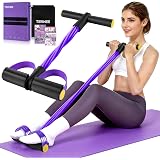
Pedal Resistance Band with Handle, Foot Pedal Resistance Band for Women, Multifunction Exercise Bands for Home Gym Full Body & Working Out
$24.99 (as of October 15, 2026 21:03 GMT +00:00 – More infoProduct prices and availability are accurate as of the date/time indicated and are subject to change. Any price and availability information displayed on [relevant Amazon Site(s), as applicable] at the time of purchase will apply to the purchase of this product.)
BAND-AID Brand Travel Ready Portable First Aid Kit, 80 Piece | Emergency Essentials for Minor Wound Care, Bandages, Neosporin & Tylenol, Perfect for Home, Car, Camping, Outdoors & Travel
$10.76 (as of October 15, 2026 21:03 GMT +00:00 – More infoProduct prices and availability are accurate as of the date/time indicated and are subject to change. Any price and availability information displayed on [relevant Amazon Site(s), as applicable] at the time of purchase will apply to the purchase of this product.)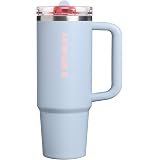
STANLEY Quencher ProTour Flipstraw Tumbler, 30 oz, Blue Dream | Built-In Straw & Handle | Cupholder Compatible for Travel | Leakproof Insulated Stainless Steel Cup | BPA-Free
$40.00 (as of October 15, 2026 21:03 GMT +00:00 – More infoProduct prices and availability are accurate as of the date/time indicated and are subject to change. Any price and availability information displayed on [relevant Amazon Site(s), as applicable] at the time of purchase will apply to the purchase of this product.)
Owala Marvel Spider-Man FreeSip Stainless Steel Water Bottle 32 oz
$39.99 (as of October 15, 2026 21:03 GMT +00:00 – More infoProduct prices and availability are accurate as of the date/time indicated and are subject to change. Any price and availability information displayed on [relevant Amazon Site(s), as applicable] at the time of purchase will apply to the purchase of this product.)
Leave a Reply