Walking Pad Treadmill with 5% Incline – Under Desk Running Machine Mat Pads for Home Office Portable Small Compact Quiet Flat Indoor Magnetic Lightweight Electric Treadmills Remote Control
(as of November 3, 2026 22:32 GMT +00:00 – More infoProduct prices and availability are accurate as of the date/time indicated and are subject to change. Any price and availability information displayed on [relevant Amazon Site(s), as applicable] at the time of purchase will apply to the purchase of this product.)
EA SPORTS FC 27 Standard Edition PlayStation5 |Physical Disc I VideoGame |English
$67.99 (as of November 3, 2026 22:32 GMT +00:00 – More infoProduct prices and availability are accurate as of the date/time indicated and are subject to change. Any price and availability information displayed on [relevant Amazon Site(s), as applicable] at the time of purchase will apply to the purchase of this product.)
Owala Marvel Spider-Man FreeSip Stainless Steel Water Bottle 32 oz
$34.11 (as of November 3, 2026 22:32 GMT +00:00 – More infoProduct prices and availability are accurate as of the date/time indicated and are subject to change. Any price and availability information displayed on [relevant Amazon Site(s), as applicable] at the time of purchase will apply to the purchase of this product.)
2026 Topps NFL Heritage Football – Factory Sealed – Value Box
$24.99 (as of November 3, 2026 22:32 GMT +00:00 – More infoProduct prices and availability are accurate as of the date/time indicated and are subject to change. Any price and availability information displayed on [relevant Amazon Site(s), as applicable] at the time of purchase will apply to the purchase of this product.)
CoreMuse Camping Water Container 2.1 Gallon Collapsible Water Jug with Spout – Reusable Plastic Flasks, Foldable Empty Gallon Jug for Water Storage, Water Bag for Outdoor Hiking Emergency Prep 2 Pack
$19.28 (as of November 3, 2026 22:32 GMT +00:00 – More infoProduct prices and availability are accurate as of the date/time indicated and are subject to change. Any price and availability information displayed on [relevant Amazon Site(s), as applicable] at the time of purchase will apply to the purchase of this product.)-
The Holybro Kakute F7 is a popular flight controller among drone racers for its powerful STM32F745VGT6 CPU and versatility.
-
Common issues with the Kakute F7 include firmware mismatches, motor detection problems, and signal connection errors.
-
Key fixes involve updating firmware correctly, ensuring proper motor calibration, and checking all connections meticulously.
-
For power-related troubles, it’s crucial to inspect wiring, solder joints, and use a multimeter to test voltage and current draw.
-
Regular maintenance, such as cleaning and updating firmware, can prevent many issues and extend the life of your flight controller.
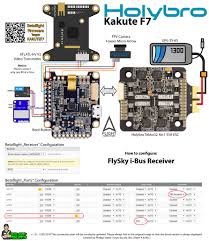
Getting Started with Your Kakute F7 Flight Controller
So, you’ve got your hands on the Kakute F7 flight controller – that’s great! This piece of hardware is a favorite in the drone racing community for good reason. But before you can start zipping around, you’ll need to set it up properly. Don’t worry; it’s simpler than it seems. Let’s begin with unboxing and getting to know your new flight control board.
Unboxing and Initial Setup
Once you unbox your Kakute F7, you’ll find the flight controller itself, along with some connectors and perhaps a few cables. First things first, you’ll want to ensure that you handle the board with care to avoid any static damage. Ground yourself by touching a metal object before you pick it up. Now, take a good look at the board – familiarize yourself with its layout. Notice where the main ports are – these will be crucial for connecting your motors and other peripherals.
Understanding Your Flight Controller’s Layout
The layout of your Kakute F7 is like the nerve center of your drone. It’s where you’ll connect everything from your motors to your power supply. The board is clearly labeled, which helps a ton. You’ll see ports for your ESCs (electronic speed controllers), which power your motors, and other connectors for things like your receiver, GPS, and telemetry. Keep the manual close by; it’s your best friend during the setup process.
Common Hiccups with Kakute F7 and Immediate Solutions
Even with a high-quality flight controller like the Kakute F7, you may run into some issues. But don’t let that discourage you. Most problems have straightforward fixes, and I’ll guide you through them.
Firmware Mismatch and Updating Procedures
One of the most common issues is a firmware mismatch. The firmware is essentially the software that runs on your flight controller, and having the wrong version can cause all sorts of odd behavior. To fix this, you’ll need to flash the correct firmware. Here’s how:
-
Download the latest firmware for the Kakute F7 from the manufacturer’s website.
-
Connect the flight controller to your computer using a USB cable.
-
Use a firmware flashing tool like Betaflight Configurator to update the firmware. Make sure to select the correct target for your board.
Remember, always double-check that you’re flashing the right firmware version for your specific model. It’s the difference between a smooth flight and a crash landing.
Issues in Motor Detection and Calibration
Another hiccup you might encounter is with motor detection and calibration. If your motors aren’t spinning up as they should, or if they’re behaving erratically, it’s time to calibrate. You’ll typically do this through your flight controller’s software interface, like Betaflight:
-
Connect your Kakute F7 to your computer and open Betaflight.
-
Go to the ‘Motors’ tab and check the box that you understand the risks (make sure your propellers are off).
-
Slowly increase the master slider to see if all motors spin up. If not, check your connections and soldering.
Proper calibration ensures that your motors respond accurately to your commands, which is vital for a smooth flying experience.
Diagnosing Signal Issues with Your Kakute F7
Signal issues can be a real headache, but they’re often just a matter of checking your connections. A loose wire or a bad solder joint can mean the difference between a responsive drone and one that refuses to obey. So, if you’re experiencing signal problems, the first step is to get under the hood and take a look at your wiring.
Verifying Connections: A Step-by-Step Process
Let’s get those connections verified. Grab your Kakute F7 and follow these steps to ensure you’re ready for mastering flight precision in FPV drone racing.
-
Power off your drone and disconnect the battery.
-
Inspect all the wires for any signs of wear or damage. Look for anything that seems out of place.
-
Ensure that each wire is securely soldered to the correct pad on the flight controller. A loose wire can cause intermittent signal loss.
-
Check the plugs and sockets. If you’re using connectors, make sure they’re fully seated and not corroded.
If everything looks good but you’re still having issues, it might be time to dig a little deeper into the software settings.
Interpreting LED Indicators and Error Messages
Those little LEDs on your flight controller aren’t just for show – they’re a window into what’s happening inside. A solid light typically means all systems are go, but if you see blinking or color changes, it’s time to consult the manual. Each pattern can tell you something different about the state of your flight controller.
And let’s not forget about error messages. If you’re using a ground control station or a configurator, error messages can provide valuable clues. They might seem cryptic at first, but a quick search online will usually reveal what’s going wrong and how to fix it.

Power Problems: Ensuring Your Kakute F7 Stays Alive
Power issues can stop you dead in your tracks. The Kakute F7 is a robust board, but it still needs a clean, stable power supply to operate correctly. If your flight controller is acting like it’s had one too many cups of coffee, it’s time to check the power.
Checking Wiring and Solder Joints
Begin by examining the wiring to your power supply. Make sure the solder joints are shiny and solid – a dull or cracked joint is a red flag. Also, ensure the wires are of adequate gauge to handle the current without overheating. If you spot any issues, re-solder the joints and replace any suspect wires.
Next, check that the power and ground connections to the flight controller are secure. A loose ground can cause all sorts of weird issues, so make sure it’s tight.
Finally, look over the entire board for any signs of electrical damage, like burnt components or traces. If you find damage, it might be time for a new flight controller.
Testing Voltage and Current Draw with a Multimeter
Grab your multimeter – it’s time to do some detective work. You’ll want to measure the voltage going into the flight controller to ensure it’s within the acceptable range. Too high or too low, and you’re asking for trouble.
Here’s how to test:
-
Set your multimeter to measure DC voltage.
-
Place the probes on the power input pads of the flight controller.
-
Check the reading against the specifications in your Kakute F7 manual.
If the voltage is correct, switch your multimeter to measure current draw. Too much current can indicate a short somewhere in your system, which can lead to overheating and potentially catastrophic failure.
Advanced Troubleshooting: When the Basics Don’t Cut It
Sometimes, despite your best efforts, the simpler fixes just don’t resolve the issue. When that happens, it’s time to roll up your sleeves and dive into advanced troubleshooting.
Debugging Connection Issues with Betaflight
Betaflight is more than just a configurator – it’s a powerful tool for diagnosing problems with your flight controller. If you’re having connection issues, open up Betaflight and check the following:
-
Is the flight controller recognized when you connect it to your computer? If not, you may need to install drivers or troubleshoot your USB cable.
-
Once connected, go to the ‘Ports’ tab in Betaflight and ensure that the correct UARTs are assigned to the right peripherals.
-
Look at the ‘Configuration’ tab to confirm that the settings match your hardware setup.
If everything checks out but you’re still having trouble, you may need to consider a deeper issue like a faulty sensor or a damaged processor.
Solving Persistent Boot Problems
Boot problems can be particularly frustrating. If your Kakute F7 isn’t booting up properly, you might be dealing with a corrupted bootloader or firmware. Here’s what to do:
-
Try flashing the bootloader again using a tool like Betaflight Configurator or another firmware flashing software.
-
If that doesn’t work, you may need to use an ST-Link programmer to flash the firmware directly to the board.
-
Check online forums and the manufacturer’s website for any known issues with your particular version of the flight controller.
Don’t be discouraged if this takes a few tries – boot issues can be tricky, but they’re usually fixable with patience and persistence.
Avoiding Future Glitches: Best Practices and Maintenance Tips
Now that we’ve gone through troubleshooting, let’s talk about how to avoid these issues in the first place. A little preventative maintenance can save you a lot of time and frustration in the long run.
Cleaning your flight controller might seem like a no-brainer, but it’s often overlooked. Dust, dirt, and moisture can all lead to shorts and other electrical issues. After each flight session, take a moment to gently clean off your board with a soft brush or compressed air.
And then there’s the matter of firmware updates. Manufacturers regularly release updates that fix bugs and improve performance, so keeping your flight controller’s firmware up-to-date is crucial. But remember, always back up your settings before updating – just in case.
-
Regularly inspect and clean your flight controller.
-
Keep your firmware up to date, but back up your settings first.
-
Store your drone in a dry, dust-free environment to prevent corrosion and other damage.
-
Check your solder joints and connections before and after flights.
-
Use a quality power supply to avoid voltage spikes that can damage your flight controller.
Firmware and Software Updates: Keeping Your FC in Top Shape
Maintaining your flight controller involves more than just physical care; you need to keep its firmware and software up to date. Firmware updates often enhance features, squash bugs, and improve performance. Before updating, though, always remember to back up your current settings. This precaution ensures that if something doesn’t go quite right, you can restore your previous configuration without a hitch.
Summary of common issues with the Holybro Kakute F7 flight controller board and how to fix them
Motor Detection and Spinning:
-
Issue: Some users have reported issues with motor detection and spinning, where only two motors are detected and spinning while the others are not functioning correctly.
-
Fix: This issue can be resolved by ensuring that the correct firmware version is flashed. Users have found success by using firmware versions like “KAKUTEF7” instead of “KAKUTEF7V2” or specific release versions like 4.3.0 RC51
-
Power Supply and BEC Limitations:
-
Issue: Users have encountered problems with the power supply and BEC capabilities of the board, leading to issues like dshot failure when powering certain components.
-
Fix: It is recommended to check the current draw to ensure it is within the specified limits. Adding a capacitor to the 5V rail can help stabilize the power supply and prevent issues related to power fluctuations3
-
Difficulty Entering DFU Mode:
-
Issue: Some users have faced challenges entering Device Firmware Upgrade (DFU) mode, which is essential for flashing firmware.
-
Fix: To enter DFU mode successfully, it is advised to disconnect any connected receivers or GPS modules that might interfere with the process. Additionally, ensuring the necessary drivers are installed and using the boot button correctly can help resolve this issue4
-
-
These troubleshooting steps can help address common issues encountered with the Holybro Kakute F7 flight controller board, ensuring smoother operation and functionality for your drone build.
Frequently Asked Questions (FAQ)
Got questions? You’re not alone. Here are some of the most common queries that come up when working with the Kakute F7 flight controller.
These FAQs are designed to give you quick, actionable solutions so you can spend less time troubleshooting and more time in the air. Let’s dive in and get those questions answered.
How Do I Properly Wire My Kakute F7 to Avoid Short Circuits?
Wiring your Kakute F7 correctly is crucial for avoiding short circuits and potential damage. Start by ensuring that the ESCs are connected to the right motor outputs and that the power leads are correctly soldered to the board. Always double-check that the polarity is correct – red for positive and black for negative. Use a smoke stopper for an initial power-up to protect against shorts.
Moreover, keep the wiring neat and organized. This not only helps with troubleshooting later but also prevents wires from touching components they shouldn’t. If you’re not confident in your soldering skills, it might be worth getting some practice on an old circuit board before attempting to solder on your flight controller.
And here’s a tip: if you’re adding any new components to your setup, sketch out a wiring diagram first. It’s a simple step that can save you from making costly mistakes.
Example:
When I first wired my Kakute F7, I followed an online diagram to a tee. However, I still encountered a short. It turned out I had accidentally swapped the ground and power wires for my video transmitter. A quick re-solder after consulting the manual again, and I was back in business – lesson learned!
What Are the Correct Firmware Versions for My Kakute F7?
It’s vital to use the correct firmware version for your Kakute F7 to ensure it operates as intended. The manufacturer’s website will list the appropriate firmware for your specific model. As of my knowledge cutoff in 2023, for the Kakute F7 AIO, you should be using Betaflight’s KAKUTEF7 target. For newer models or revisions, the target might differ, so it’s best to check the documentation that came with your board or consult the manufacturer’s support page.
Why Are My Motors Not Spinning, and How Do I Fix This?
If your motors aren’t spinning, first check to make sure that your flight controller is receiving power and that the ESCs are correctly wired and soldered. Next, verify that you’ve calibrated your ESCs within your flight software. If they’re still not spinning, it might be an issue with the motor protocol selection in your configuration. Make sure it matches the type of ESCs you’re using.
My Kakute F7 Won’t Power On; What Should I Check?
If your Kakute F7 won’t power on, start by checking the basics:
-
Ensure your battery is charged and properly connected.
-
Inspect the power cables for any signs of damage or loose connections.
-
Look at the solder joints on the power pads to see if they’re intact.
-
Check if the board’s LEDs light up when powered – if they don’t, there could be an issue with the board itself.
If these steps don’t resolve the issue, you may need to consult with the manufacturer or consider getting a replacement board.
Can I Use the Kakute F7 for a Fixed-Wing Aircraft?
Yes, the Kakute F7 can be used for fixed-wing aircraft, but it’s important to understand that the setup will be different than for a multirotor. You’ll need to configure the flight modes appropriately and ensure that your servos are connected to the correct outputs. For more detailed guidance, consider reading our ultimate guide to building your own FPV racing drone, which includes tips that can be relevant for fixed-wing aircraft setups as well.
-
Ensure the firmware you’re using supports fixed-wing configurations.
-
Calibrate your ESCs for the motor and set up your servos for the control surfaces.
-
Adjust the PID settings to suit the flight characteristics of a fixed-wing aircraft.
With the right setup, the Kakute F7 can be a powerful flight controller for both drones and planes.
Author


DON’T DIE Emergency Blanket – 5 Pack – Thermal Mylar Foil Space Blankets | Ultralight Waterproof Essential Survival Gear Supplies For Hiking Camping Tactical First Aid Go Bag Earthquake Disaster Kits
$11.95 (as of November 3, 2026 22:32 GMT +00:00 – More infoProduct prices and availability are accurate as of the date/time indicated and are subject to change. Any price and availability information displayed on [relevant Amazon Site(s), as applicable] at the time of purchase will apply to the purchase of this product.)
Pure Flow Water Water Filter Straw – High Capacity Survival Water Filter Kit, Lightweight Reusable Portable Water Straw for Camping Hiking Backpacking,5 Pack
(as of November 3, 2026 22:32 GMT +00:00 – More infoProduct prices and availability are accurate as of the date/time indicated and are subject to change. Any price and availability information displayed on [relevant Amazon Site(s), as applicable] at the time of purchase will apply to the purchase of this product.)
LifeStraw Personal Water Filter for Hiking, Travel and Emergency, Blue, 1PK | Water Filter for Hiking, Camping, Travel, and Emergency Preparedness, Removes Bacteria and Parasites
(as of November 3, 2026 22:32 GMT +00:00 – More infoProduct prices and availability are accurate as of the date/time indicated and are subject to change. Any price and availability information displayed on [relevant Amazon Site(s), as applicable] at the time of purchase will apply to the purchase of this product.)
EA SPORTS College Football 27 – Standard Edition PS5 |Disc I VideoGame
$49.94 (as of November 3, 2026 22:32 GMT +00:00 – More infoProduct prices and availability are accurate as of the date/time indicated and are subject to change. Any price and availability information displayed on [relevant Amazon Site(s), as applicable] at the time of purchase will apply to the purchase of this product.)