

Fbee Rechargeable Hand Warmers 2 Pack with Keychain, Gift for Women | Pocket-Size Design Fits Gloves, Smart Temp Control, 3 Heat Levels, Up to 7H×2 Extended Warmth, Portable Reusable USB Heater
$19.99 (as of November 3, 2026 22:32 GMT +00:00 – More infoProduct prices and availability are accurate as of the date/time indicated and are subject to change. Any price and availability information displayed on [relevant Amazon Site(s), as applicable] at the time of purchase will apply to the purchase of this product.)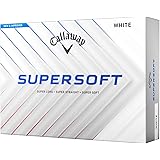
Callaway Golf Supersoft Golf Balls
(as of November 3, 2026 22:32 GMT +00:00 – More infoProduct prices and availability are accurate as of the date/time indicated and are subject to change. Any price and availability information displayed on [relevant Amazon Site(s), as applicable] at the time of purchase will apply to the purchase of this product.)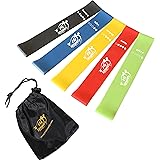
Fit Simplify Resistance Loop Exercise Bands with Instruction Guide and Carry Bag, Set of 5
$9.98 (as of November 3, 2026 22:32 GMT +00:00 – More infoProduct prices and availability are accurate as of the date/time indicated and are subject to change. Any price and availability information displayed on [relevant Amazon Site(s), as applicable] at the time of purchase will apply to the purchase of this product.)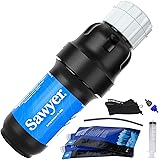
Sawyer Products SP129 Squeeze Water Filtration System w/Two 32-Oz Squeeze Pouches, Straw, and Hydration Pack Adapter
$45.95 (as of November 3, 2026 22:32 GMT +00:00 – More infoProduct prices and availability are accurate as of the date/time indicated and are subject to change. Any price and availability information displayed on [relevant Amazon Site(s), as applicable] at the time of purchase will apply to the purchase of this product.)
WILSON NBA DRV Series Outdoor Basketballs
$9.54 (as of November 3, 2026 22:32 GMT +00:00 – More infoProduct prices and availability are accurate as of the date/time indicated and are subject to change. Any price and availability information displayed on [relevant Amazon Site(s), as applicable] at the time of purchase will apply to the purchase of this product.)Many FPV drone enthusiasts underestimate the importance of safety gear, leading to injuries that could have been easily prevented. When you skip protective equipment, you’re putting yourself at risk for both minor and serious accidents, from eye injuries to cuts and bruises. Understanding the potential consequences of neglecting safety measures is vital for your well-being while enjoying this thrilling hobby. This article dives into the common injuries associated with FPV flying and emphasizes the importance of appropriate safety practices to ensure your experiences remain fun and secure.
Key Takeaways:
- FPV drone injuries are often preventable with proper safety gear.
- Lack of eye protection increases the risk of serious eye injuries during crashes.
- Head protection can mitigate the effects of collisions or impact from falling drones.
- Wearing gloves can protect against cuts and burns from spinning propellers.
- Skipping safety gear can lead to long-term injuries and costly medical bills.

Understanding FPV Drones
FPV drones offer an immersive flying experience by transmitting live video from the drone to the pilot’s goggles or screen, allowing you to see from the drone’s perspective. This technology significantly enhances your ability to control the drone while navigating various environments, making it a preferred choice for both hobbyists and professionals. With advancements in camera quality and transmission capabilities, FPV flying has gained traction among users looking for a unique aerial perspective.
What is FPV (First Person View) Flying?
FPV flying involves operating a drone while viewing real-time video feed from the drone’s onboard camera, enabling you to pilot as if you are onboard the aircraft. This method differs from traditional drone flying, where you rely on your line of sight. The immersive nature of FPV can transform your flying experience, enhancing the thrill and precision of your maneuvers.
Common Uses and Popularity of FPV Drones
FPV drones are commonly used in various fields, including racing, filmmaking, aerial photography, and inspections. Their popularity continues to soar due to advancements in technology, making them accessible and appealing for both leisure and commercial use. Events like FPV racing competitions attract large crowds, while filmmakers leverage the unique angles that FPV drones provide, showcasing breathtaking aerial shots that were once difficult to capture.
The surge in FPV drone popularity also stems from the expanding community of enthusiasts sharing videos online and participating in social media challenges. According to industry reports, the FPV drone market is projected to grow significantly, with racing leagues and drone cinematography becoming mainstream. Whether for competitive sports or artistic endeavors, FPV drones offer versatility and an exhilarating experience that resonates with a diverse range of users.
The Importance of Safety Gear
Wearing safety gear while flying FPV drones cannot be overstated. It serves as an important barrier between you and various risks associated with the hobby, significantly minimizing injury severity during crashes. Whether you’re an experienced pilot or a beginner, investing in the right equipment protects you from not only potential physical harm but also the emotional and financial repercussions of accidents.
Types of Safety Gear for FPV Pilots
Choosing the right safety gear is vital for your protection during FPV flights. Essential items include:
- FPV Goggles
- Helmet with Face Shield
- Long-sleeve Clothing
- Sturdy Shoes or Boots
- Protective Gloves
Any oversight in gear can lead to significant risks that can be easily avoided.
| Safety Gear | Purpose |
| FPV Goggles | Protects eyes from dust and impacts |
| Helmet with Face Shield | Shields head from collisions |
| Long-sleeve Clothing | Minimizes body injuries |
| Sturdy Shoes or Boots | Prevents foot injuries from falling drones |
Consequences of Skipping Safety Gear
Neglecting to wear safety gear while operating FPV drones can lead to severe outcomes. You might experience anything from minor cuts to serious injuries that could require extensive medical treatment. The risks escalate significantly during fast-paced flights or when engaging in aerial tricks, where uncontrollable crashes become more likely.
Cases have shown that pilots who skipped safety gear faced injuries such as fractures and abrasions, impacting not only their ability to fly but also their overall quality of life. A beginner might underestimate these risks, but seasoned pilots often share stories of close calls that reaffirm the necessity of proper protection. Investing in safety gear can save you from temporary setbacks and long-term consequences that could affect your enthusiasm for this exhilarating hobby.
Statistics on FPV Drone Injuries
Reported Injury Rates
In recent years, FPV drone injuries have escalated, with statistics revealing an alarming increase. According to industry reports, roughly 22% of FPV enthusiasts have experienced some form of injury while flying. Among them, nearly 8% required medical attention, highlighting the real dangers associated with improper safety precautions.
Common Types of Injuries
The types of injuries you may incur while flying FPV drones vary significantly. Common injuries include lacerations, contusions, and eye damage from crashes or close encounters. Additionally, severe injuries may involve broken bones or concussions from falls. Understanding these risks is important for maintaining safety during your flights.
| Injury Type | Percentage of Cases |
| Lacerations | 40% |
| Contusions | 30% |
| Eye Damage | 15% |
| Broken Bones | 10% |
| Concussions | 5% |
Common injuries often occur due to a lack of protective gear. For instance, lacerations frequently result from unprotected contact with drone blades. Similarly, eye injuries may arise when debris from crashes strikes you or when drones collide. Understanding these common injuries can prompt you to take preemptive safety measures.
- Wearing adequate protective eyewear can significantly reduce your risk of eye injuries.
- Using gloves can help prevent cuts and abrasions from drone components.
- Implementing safety nets or barriers during practice can minimize injury from falls.
- Regularly inspecting your drone aids in avoiding mechanical failures that lead to accidents.
- Recognizing the potential dangers ensures you adopt necessary safety precautions before flying.
| Recommended Gear | Benefit |
| Protective Eyewear | Prevents eye injuries from debris |
| Gloves | Protects hands from cuts |
| Crash Helmets | Reduces head injury risk |
| Safety Nets | Minimizes fall impacts |
| First Aid Kits | Ensures prompt treatment of injuries |
Real-Life Injury Cases
Analyzing real-life injury cases sheds light on the serious consequences of neglecting safety gear while operating FPV drones. Such incidents highlight the potential dangers and can serve as cautionary tales for enthusiasts and professionals alike. Understanding these cases provides you with vital insights into what can happen in the absence of protective measures.
Case Studies of FPV Drone Incidents
Several documented cases illustrate the risks associated with flying FPV drones without safety gear:
- Case 1: A 30-year-old pilot sustained a fractured wrist when a drone malfunctioned and crashed, causing the spinning propeller to strike his arm.
- Case 2: During a racing competition, a 25-year-old pilot suffered a laceration on the face from a drone’s propeller, resulting in emergency stitches.
- Case 3: A novice drone user experienced eye injuries when a drone collided with a tree branch and debris flew towards him.
- Case 4: A 45-year-old hobbyist was hospitalized after a drone crashed, catching his knee and causing severe bruising and soft tissue damage.
Lessons Learned from Each Case
Each of these incidents offers valuable lessons about the importance of safety gear. The cases clearly indicate that even minor accidents can lead to significant injuries. You should always wear protective eyewear to shield your eyes from debris. Additionally, wearing gloves can help prevent cuts, while padded clothing can minimize blunt force trauma. Understanding these realities emphasizes how necessary it is to prioritize safety over convenience when flying FPV drones.
Safety Best Practices
Implementing safety best practices is crucial for minimizing risks while flying FPV drones. Always conduct thorough pre-flight checks to ensure your equipment is in optimal condition. Adhere to local regulations and fly in designated areas. Establish a safe distance from people and property to avoid potential accidents. Continuous vigilance during flight can help you anticipate and mitigate any hazards that arise.
Recommended Safety Gear Checklist
Your safety gear should include protective eyewear, impact-resistant gloves, and a helmet when flying FPV. Additionally, wearing long-sleeve clothing can help protect your skin from potential injuries. Employing a first-aid kit on-site will prepare you for unexpected incidents. Regularly assess and update your gear as needed, ensuring you are always ready for safe flying.
Tips for Safe FPV Flying
To ensure safe FPV flying, you should familiarize yourself with your drone’s features, capabilities, and limitations. Avoid flying in adverse weather conditions, and always maintain line-of-sight with your drone for better control. You should also practice in open areas free from obstacles. Engage with the FPV community for tips and best practices, enrichening your knowledge base.
- Know your surroundings before taking off.
- Keep a safe distance from others.
- Check your equipment before every flight.
- Utilize spotters to assist during flights.
- Have an emergency plan in place for accidents.
Adhering to these tips fosters a safer flying environment and enhances your overall experience. Connecting with experienced pilots can provide invaluable insights, further empowering you to navigate challenges effectively. Safety should always be prioritized to maintain enjoyment in the hobby.
- Analyze your flight patterns after each session.
- Participate in training events for hands-on experience.
- Utilize simulators to practice maneuvering without risk.
- Stay informed about the latest safety regulations.
- Regularly review your safety gear’s effectiveness.

Legal Considerations and Liability
Ignoring safety gear while operating FPV drones may not only lead to personal injuries but also significant legal repercussions. Liability issues arise when accidents occur, often placing the burden on the operator to prove responsible practices were followed. You need to be aware of the potential for lawsuits, especially if another party is harmed or property is damaged during your flight.
Regulations Surrounding FPV Drone Operation
Your operation of FPV drones is subject to numerous regulations set forth by entities like the FAA in the United States. These regulations mandate specific safety measures, including maintaining visual line-of-sight and restrictions on flying over people, which clearly delineate acceptable drone use. Failure to adhere to these rules can lead to fines or criminal charges.
Understanding Liability in Case of Injuries
If an injury occurs while you are flying your FPV drone without proper safety gear, you may be held liable for damages. Courts often evaluate the circumstances of the incident, including your adherence to safety regulations. Comprehensive insurance coverage can help mitigate your financial risk, as standard policies may not cover drone-related activities.
In legal scenarios, your liability hinges on several factors, such as whether you acted negligently or ignored safety measures. For example, a case where you fly recklessly, injuring a bystander, could result in significant financial repercussions and potential criminal charges. Comparatively, demonstrating responsible behavior, such as utilizing safety gear and following regulatory guidelines, may serve to lessen your liability. Assess your insurance options thoroughly to ensure you are adequately protected against possible claims stemming from drone-related accidents.
Final Words
The risks associated with FPV drone flying are significantly heightened when you skip safety gear. Without proper protection, you expose yourself to potential injuries that could have lasting consequences. Your safety should always be a priority, as even minor accidents can result in serious harm. Investing in the right safety equipment not only safeguards you but also enhances your overall flying experience. Make informed choices and prioritize your well-being to ensure that your passion for FPV drones remains a safe and enjoyable pursuit.
FAQ
Q: What are the common types of injuries associated with FPV drones?
A: Common injuries include lacerations from propellers, eye injuries from debris, and blunt force trauma from collisions. These can occur during crashes or mishandling of the drone.
Q: Why is wearing safety gear important when flying FPV drones?
A: Safety gear protects against potential injuries. Goggles shield eyes from flying debris, gloves prevent cuts from propellers, and protective clothing reduces the risk of skin injuries during crashes.
Q: What are the potential consequences of flying without safety equipment?
A: Operating without safety gear can lead to severe injuries, increased recovery time, and potential legal liabilities. It may also result in long-term damage, especially to the eyes or hands.
Q: Are there specific safety gears recommended for FPV drone flying?
A: Recommended safety gear includes impact-resistant goggles, cut-resistant gloves, a helmet for head protection, and long-sleeve clothing to minimize skin exposure during flights.
Q: How can FPV drone operators improve their safety practices?
A: Operators can improve safety by conducting flight checks, ensuring a clear flying area, using safety gear consistently, and attending training sessions to enhance flying skills and awareness.
Author


EA SPORTS FC 27 Standard Edition PlayStation5 |Physical Disc I VideoGame |English
$67.99 (as of November 3, 2026 22:32 GMT +00:00 – More infoProduct prices and availability are accurate as of the date/time indicated and are subject to change. Any price and availability information displayed on [relevant Amazon Site(s), as applicable] at the time of purchase will apply to the purchase of this product.)
Gaiam Thick Yoga Mat, Exercise & Fitness Mat with Easy-Cinch Carrying Strap | Non-Slip NBR Foam | Joint Cushioning | Yoga, Pilates, Fitness & Floor Workouts | 72″L x 24″W
$23.08 (as of November 3, 2026 22:32 GMT +00:00 – More infoProduct prices and availability are accurate as of the date/time indicated and are subject to change. Any price and availability information displayed on [relevant Amazon Site(s), as applicable] at the time of purchase will apply to the purchase of this product.)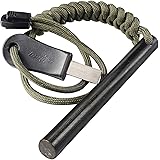
bayite 4″ Survival Ferro Rod Drilled Flint Fire Starter and Striker Kit | Ferrocerium Rod with Paracord Landyard Handle and Striker, 4″(Long) x 3/8″(Diameter)
(as of November 3, 2026 22:32 GMT +00:00 – More infoProduct prices and availability are accurate as of the date/time indicated and are subject to change. Any price and availability information displayed on [relevant Amazon Site(s), as applicable] at the time of purchase will apply to the purchase of this product.)
Amazon Basics Neoprene Dumbbell Hand Weights for Exercise and Muscle Toning
$26.85 (as of November 3, 2026 22:32 GMT +00:00 – More infoProduct prices and availability are accurate as of the date/time indicated and are subject to change. Any price and availability information displayed on [relevant Amazon Site(s), as applicable] at the time of purchase will apply to the purchase of this product.)
Leave a Reply