LHKNL Headlamp Flashlight, Lumen Bright Head Lamps LED Rechargeable Camping | Ultra-Light, with White Red Light, 2-Pack Waterproof Motion Sensor Headlight, 8 Modes for Outdoor Running Hiking Fishing
$19.99 (as of November 3, 2026 22:32 GMT +00:00 – More infoProduct prices and availability are accurate as of the date/time indicated and are subject to change. Any price and availability information displayed on [relevant Amazon Site(s), as applicable] at the time of purchase will apply to the purchase of this product.)
NBA 2K27 – PlayStation 5
$64.99 (as of November 3, 2026 22:32 GMT +00:00 – More infoProduct prices and availability are accurate as of the date/time indicated and are subject to change. Any price and availability information displayed on [relevant Amazon Site(s), as applicable] at the time of purchase will apply to the purchase of this product.)
Hydro Flask Water Bottle – Insulated Stainless Steel – Non Spill, Leakproof in 24 Oz Deep Teal
$39.95 (as of November 3, 2026 22:32 GMT +00:00 – More infoProduct prices and availability are accurate as of the date/time indicated and are subject to change. Any price and availability information displayed on [relevant Amazon Site(s), as applicable] at the time of purchase will apply to the purchase of this product.)
Lepro LED White Light Flashlight, High Lumens Waterproof Adjustable Focus | Small, lightweight. For outdoor, camping, emergency, tactical use. AAA batteries included. Adjustable zoom focus.
$9.99 (as of November 3, 2026 22:32 GMT +00:00 – More infoProduct prices and availability are accurate as of the date/time indicated and are subject to change. Any price and availability information displayed on [relevant Amazon Site(s), as applicable] at the time of purchase will apply to the purchase of this product.)
FOCO NFL unisex-adult Nfl Team Logo 4-pack Reusable Grocery Shopping Bags Totes
$12.00 (as of November 3, 2026 22:32 GMT +00:00 – More infoProduct prices and availability are accurate as of the date/time indicated and are subject to change. Any price and availability information displayed on [relevant Amazon Site(s), as applicable] at the time of purchase will apply to the purchase of this product.)
Key Takeaways
-
Carbon fiber propellers offer high strength and efficiency but can be costly and less durable upon impact.
-
Polycarbonate propellers are known for their flexibility and durability, especially for new pilots who might crash more often.
-
The material of the propeller affects overall drone performance, including speed, agility, and battery life.
-
While carbon fiber propellers are rigid and can break upon hard impacts, polycarbonate can often bend and survive crashes.
-
Choosing the right propeller depends on your flying style, experience level, and whether you prioritize performance over durability.
Choosing Propellers: Carbon Fiber or Polycarbonate?
When it comes to FPV (First Person View) drone flying, every component of your drone can affect your flying experience. Propellers, in particular, play a crucial role. They are the workhorses of your drone, directly translating motor power into thrust. But not all propellers are created equal, and the debate between carbon fiber and polycarbonate propellers is one that every drone enthusiast eventually encounters. Let’s dive into the details to help you make the best choice for your drone.

The Role of Propellers in FPV Drone Performance
Imagine propellers as the ‘shoes’ of your drone. Just as runners choose their shoes based on the terrain and their running style, you should choose your drone’s propellers based on how and where you fly. Propellers affect everything from your drone’s speed and handling to how long it can stay in the air on a single battery charge. That’s why picking the right propeller material is essential.
Carbon Fiber Propellers: Strength and Efficiency
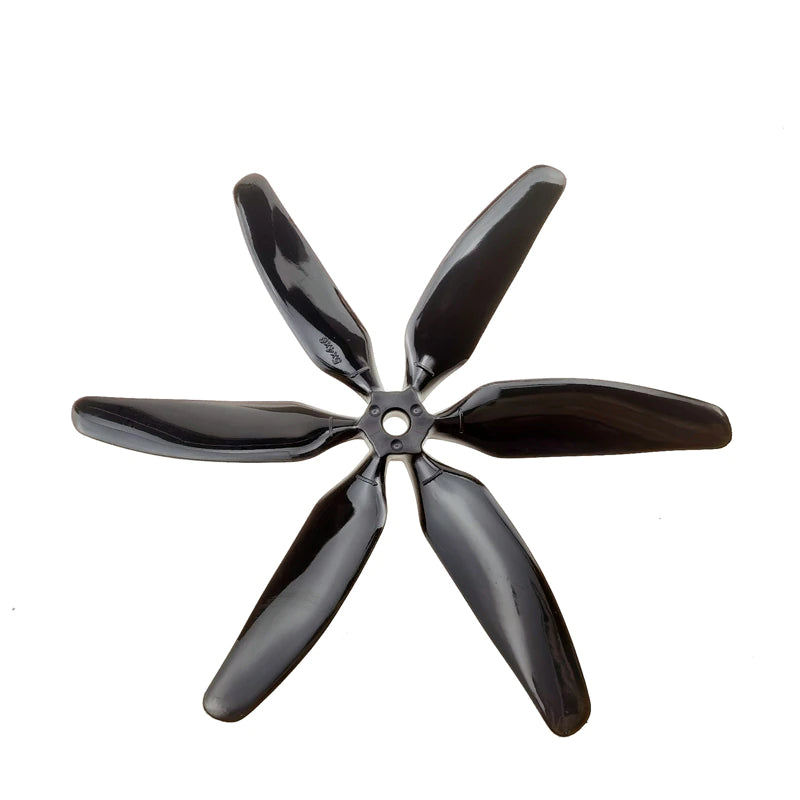
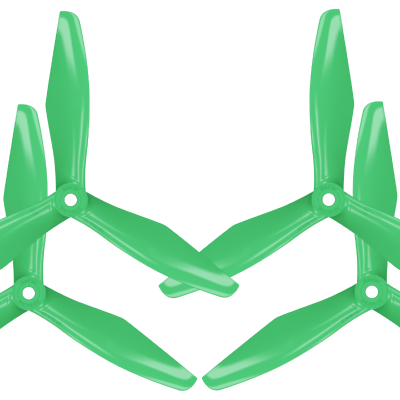
Carbon fiber propellers are known for their stiffness and light weight, which translates to efficient power transfer and responsive control. This makes them a favorite among racers and experienced pilots who demand precision. However, their rigidity means they can snap upon hard impacts, which is something to consider if you’re still perfecting your flying skills.
Polycarbonate Propellers: Durability and Flexibility
On the other side of the spectrum, we have polycarbonate propellers. They are much more forgiving when it comes to crashes, often bending rather than breaking. This can be a lifesaver during those unexpected encounters with the ground or a tree. If you’re just starting out or if you enjoy flying in challenging environments, polycarbonate propellers might be your best bet.
Now that we’ve set the stage, let’s explore the materials themselves and see how they stack up against each other in the FPV drone propeller durability debate.
When Carbon Fiber Meets the Ground
It’s a scenario many drone pilots know all too well: a split-second miscalculation or gust of wind sends your drone spiraling towards the earth. With carbon fiber propellers, the outcome can be less than ideal. Their high rigidity means they lack the ability to absorb the impact, often resulting in a clean break. This can leave you with a grounded drone and the need for a replacement set of propellers, adding to your costs and downtime.
Polycarbonate Propellers’ Resistance to Impact
Contrast that with polycarbonate propellers. These are the tough cookies of the propeller world. They can often withstand the same mishaps that would sideline carbon fiber propellers. The flexibility inherent in polycarbonate allows these propellers to bend, twist, and, most importantly, return to their original shape. This resilience not only saves on immediate replacement costs but also means you can get back in the air faster, often without needing any repair at all.
Performance in the Air: A Side-by-Side Analysis
Performance isn’t just about surviving crashes; it’s also about how propellers handle in the air. Carbon fiber propellers are stiff and light, which makes for precise control and quick throttle response. This can translate to faster acceleration and sharper turns, a definite plus in the racing circuit or when maneuvering through tight spaces.
However, their rigidity can be a double-edged sword. In turbulent conditions, carbon fiber propellers don’t have much give, which can lead to a rougher flight and more strain on your motors and battery. This is where polycarbonate propellers can have an advantage, as their flexibility allows them to absorb and adapt to wind variations, providing a smoother experience.
Speed and Agility: Is Carbon Fiber Superior?
When it comes to speed and agility, carbon fiber propellers often take the lead. They’re the go-to for pilots who need top performance and are flying in conditions where the risk of a crash is minimized. The reduced weight and increased stiffness mean your drone can slice through the air with less effort and more speed. For those who race or require precise movements, carbon fiber is often the preferred choice.
Polycarbonate and the Winds of Change
“While carbon fiber propellers are built for speed and precision, polycarbonate propellers offer a level of forgiveness and adaptability that can be crucial for everyday flying, especially in unpredictable environments.”
Polycarbonate propellers, with their ability to flex, can handle sudden gusts of wind better than their carbon fiber counterparts. This can make them more suitable for beginners or those flying in less controlled conditions. They might not match the top speed of carbon fiber, but they provide a level of control and stability that can be very reassuring.
Now, let’s hear from the pilots themselves and see how these materials hold up in real-world flying experiences.
Flying Experience: Pilot Preferences and Perspectives
Every pilot has a unique style and preference, and propeller choice is often a reflection of that. Some pilots swear by the high performance of carbon fiber, while others prefer the resilience and peace of mind provided by polycarbonate. It’s important to consider not just the technical specifications, but also how each propeller type aligns with your flying habits.
From Rookie to Racer: Pilots Weigh In
For new pilots, the consensus is clear: start with polycarbonate. The learning curve can involve a fair number of crashes, and polycarbonate propellers are more forgiving, allowing you to learn without the fear of constant breakage. Experienced pilots, particularly racers, tend to lean towards carbon fiber for that competitive edge, despite the higher risk and cost associated with potential crashes.
Adapting to Propeller Characteristics
Adaptation is key. Pilots often adjust their flying techniques to match their propeller’s characteristics. With carbon fiber, you might adopt a more cautious approach, avoiding unnecessary risks. Polycarbonate propellers allow for a more aggressive style, pushing the limits with less worry about damaging your gear. Ultimately, it’s about finding the right balance that suits your skill level and flying style.
Lifespan and Longevity: What the Experts Say
When it comes to the lifespan of your propellers, experts tend to agree that while carbon fiber propellers can last a long time under ideal conditions, they’re more susceptible to catastrophic failure upon impact. Polycarbonate propellers may wear down faster due to their flexibility, but they can survive impacts that would destroy carbon fiber propellers, potentially offering a longer usable lifespan.
Assessing Propeller Wear and Tear Over Time
It’s not just about the big crashes. Propellers experience wear and tear over time. Carbon fiber propellers maintain their shape and performance until they don’t—meaning they work until they break. Polycarbonate propellers, on the other hand, might show signs of wear like nicks or bends, but they can often be bent back into shape and keep flying.
Maintenance Tips for Extending Propeller Life
Regardless of the material, proper maintenance is key to extending the life of your propellers. Here are some tips to keep them in top condition:
-
Regularly inspect your propellers for any signs of damage or wear.
-
Clean your propellers after flights to remove any dirt or debris.
-
Store your drone and propellers in a protective case to avoid accidental damage.
-
Balance your propellers to ensure smooth operation and reduce wear on the motors.
The Economics of FPV Propellers
When you’re weighing the pros and cons of carbon fiber versus polycarbonate propellers, cost is an important factor. Carbon fiber propellers are typically more expensive, both in upfront cost and potential replacement costs due to their fragility upon impact. Polycarbonate propellers are generally cheaper and can offer more bang for your buck, especially if you’re prone to crashing.
In the end, your choice of propeller material should align with your flying style, experience, and budget. Whether you’re a beginner or a seasoned pilot, understanding the strengths and weaknesses of each material can help you make an informed decision and get the most enjoyment out of your FPV drone flying experience.
When considering the economics of FPV propellers, it’s essential to look at both the short-term and long-term costs. Carbon fiber propellers might seem like a significant investment initially, and for a good reason. They generally come with a higher price tag than their polycarbonate counterparts. However, they also offer performance benefits that could be worth the investment if you’re not frequently crashing.
Polycarbonate propellers, while cheaper upfront, may need to be replaced more often if they wear out. But, they can be a cost-effective option if you’re a new pilot or flying in environments where crashes are more likely. The durability of polycarbonate can save you money on replacements in the long run.
Cost Analysis: Upfront Investment vs. Long-Term Value
When you’re budgeting for propellers, consider the following:
-
Upfront Costs: Carbon fiber propellers can cost significantly more than polycarbonate ones. For example, a set of carbon fiber propellers might run you $20, while a polycarbonate set might be as little as $10.
-
Replacement Costs: If you crash often, the cost of replacing carbon fiber propellers can add up quickly. Polycarbonate propellers might bend or get nicked but can often be bent back into shape and used again.
-
Performance Value: If you’re racing or require precise control, the performance benefits of carbon fiber propellers could be worth the extra cost.
When to Skimp and When to Splurge on Propellers
Here’s a simple guideline to follow:
-
Skimp: If you’re new to flying, practice with polycarbonate propellers. They’ll give you the durability you need while you’re learning and won’t break the bank.
-
Splurge: If you’re an experienced pilot looking for performance and efficiency, investing in carbon fiber propellers might give you that competitive edge you’re seeking.
Frequently Asked Questions
Can You Repair a Damaged Carbon Fiber Propeller?
Generally, a damaged carbon fiber propeller is not repairable and should be replaced to ensure safety and optimal performance. Flying with a compromised propeller can lead to drone instability and further damage.
How Often Should You Replace Polycarbonate Propellers?
While polycarbonate propellers are more durable, they should be replaced if you notice any significant wear, bending that can’t be corrected, or if they no longer balance properly. It’s a good practice to inspect them before and after each flight session.
Do Carbon Fiber Propellers Improve Battery Life?
Carbon fiber propellers can improve battery life due to their efficiency and lighter weight, which means the motors don’t have to work as hard. However, this improvement is usually minimal and depends on various factors, including flying style and conditions.
Are Polycarbonate Propellers Better for Beginners?
Yes, polycarbonate propellers are often recommended for beginners because of their resilience to crashes and lower cost, making the learning process less stressful and more affordable.
Can I Use Both Types of Propellers on One Drone?
It’s not advisable to mix propeller types on a single drone as they have different performance characteristics that can affect the balance and flight dynamics. Choose one type that best suits your needs and stick with it for consistent performance.
In conclusion, whether you opt for carbon fiber or polycarbonate propellers, your choice should reflect your flying style, experience, and budget. By understanding the benefits and limitations of each material, you can make an informed decision that will enhance your FPV drone flying experience. Happy flying!
Author

Google Fitbit Edge – Activity Tracker – Black/Obsidian – Small & Large Band | Advanced fitness tracker, health coach, sleep tracking, glanceable display, quick-charging battery, Android and iOS
(as of November 3, 2026 22:32 GMT +00:00 – More infoProduct prices and availability are accurate as of the date/time indicated and are subject to change. Any price and availability information displayed on [relevant Amazon Site(s), as applicable] at the time of purchase will apply to the purchase of this product.)
EA SPORTS FC 27 Standard Edition PlayStation5 |Physical Disc I VideoGame |English
$67.99 (as of November 3, 2026 22:32 GMT +00:00 – More infoProduct prices and availability are accurate as of the date/time indicated and are subject to change. Any price and availability information displayed on [relevant Amazon Site(s), as applicable] at the time of purchase will apply to the purchase of this product.)
Walker’s Razor Slim Electronic Muff
(as of November 3, 2026 22:32 GMT +00:00 – More infoProduct prices and availability are accurate as of the date/time indicated and are subject to change. Any price and availability information displayed on [relevant Amazon Site(s), as applicable] at the time of purchase will apply to the purchase of this product.)
LHKNL Headlamp Flashlight, Lumen Bright Head Lamps LED Rechargeable Camping | Ultra-Light, with White Red Light, 2-Pack Waterproof Motion Sensor Headlight, 8 Modes for Outdoor Running Hiking Fishing
$19.99 (as of November 3, 2026 22:32 GMT +00:00 – More infoProduct prices and availability are accurate as of the date/time indicated and are subject to change. Any price and availability information displayed on [relevant Amazon Site(s), as applicable] at the time of purchase will apply to the purchase of this product.)