

Owala Marvel Spider-Man FreeSip Stainless Steel Water Bottle 32 oz
$39.99 (as of October 14, 2026 21:01 GMT +00:00 – More infoProduct prices and availability are accurate as of the date/time indicated and are subject to change. Any price and availability information displayed on [relevant Amazon Site(s), as applicable] at the time of purchase will apply to the purchase of this product.)
adidas FIFA World Cup 26™ Trionda Soccer Ball | Requires Inflation, For Indoor or Outdoor, Grass or Artificial Turf, Official Licensed World Cup Product
$26.95 (as of October 14, 2026 21:01 GMT +00:00 – More infoProduct prices and availability are accurate as of the date/time indicated and are subject to change. Any price and availability information displayed on [relevant Amazon Site(s), as applicable] at the time of purchase will apply to the purchase of this product.)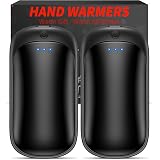
Lerat 2 Pack Hand Warmers Rechargeable, Portable Electric Hand Warmers Reusable, Portable Pocket Heater, Gifts for Men Women Kids, Hunting, Golf, Camping Accessories
$13.49 (as of October 14, 2026 21:01 GMT +00:00 – More infoProduct prices and availability are accurate as of the date/time indicated and are subject to change. Any price and availability information displayed on [relevant Amazon Site(s), as applicable] at the time of purchase will apply to the purchase of this product.)
Walking Pad Treadmill for Home – Folding Treadmills with Handle Bar Portable Compact Fold up Indoor Foldable Handles Electric Walk Pads Small Spaces Mini Running Quiet Under Bed Office
$89.99 (as of October 14, 2026 21:01 GMT +00:00 – More infoProduct prices and availability are accurate as of the date/time indicated and are subject to change. Any price and availability information displayed on [relevant Amazon Site(s), as applicable] at the time of purchase will apply to the purchase of this product.)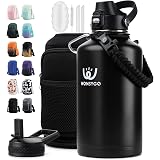
WONSYGO 64oz Insulated Water Bottle Leak Proof with Carrier Bag for Sports | Stainless Steel Water Jug Sports & Hiking – Includes Paracord Handle, Bottle & Straw Brush, Reusable, Metal, BPA-Free
$21.97 (as of October 14, 2026 21:01 GMT +00:00 – More infoProduct prices and availability are accurate as of the date/time indicated and are subject to change. Any price and availability information displayed on [relevant Amazon Site(s), as applicable] at the time of purchase will apply to the purchase of this product.)Key Takeaways
-
FPV racing drones offer an immersive flying experience with a first-person view, making them a thrilling choice for hobbyists and competitors.
-
When choosing an FPV racing drone, key features to consider include camera quality, speed, agility, battery life, and durability.
-
For beginners, there are user-friendly and cost-effective models that make it easy to start racing without a steep learning curve.
-
Experienced racers can opt for drones with advanced features that provide a competitive edge in races.
-
It’s essential to balance budget with performance when selecting an FPV racing drone, and regular maintenance is crucial for peak performance.
The Thrill of FPV Racing Drones
Imagine soaring through the air, dodging obstacles, and racing at breakneck speeds, all from the comfort of the ground. This is the adrenaline-fueled world of FPV (First Person View) racing drones. Unlike traditional drones, FPV drones are equipped with cameras that send live video feedback to goggles or a monitor, giving you a pilot’s-eye view. It’s no wonder this exhilarating hobby has taken off in popularity.
What Makes FPV Racing a Heart-Pounding Hobby
FPV drone racing is not just about the thrill of the flight; it’s about the challenge of control. Piloting an FPV drone requires quick reflexes, precision, and a good understanding of aerodynamics. The immersive experience of flying in first-person view adds a layer of realism and intensity to the race, as pilots navigate courses at high speeds, often in tight competition with other racers.
Because FPV racing drones are designed for performance, they’re much more than just high-speed toys. They are the culmination of advanced technology and engineering, crafted to deliver the ultimate racing experience.

The Evolution of Drone Racing to 2024
Since its inception, drone racing has evolved rapidly. Today’s drones are faster, more agile, and equipped with better technology than ever before. The FPV racing scene has grown from a niche hobby to a professional sport, complete with international competitions and substantial prize money.
As we look to 2024, the advancements in FPV drone tech are nothing short of remarkable. Drones are now boasting longer flight times, more robust frames, and cameras that could make a cinematographer swoon. It’s an exciting time to be a drone racing enthusiast, with technology pushing the boundaries of what’s possible.
Key Features of a Top-Notch Racing Drone
Whether you’re a beginner or a seasoned pro, knowing the key features of a top-notch racing drone is essential. These features will determine your drone’s performance, durability, and ultimately, your success in the sport.
Camera and Video Transmission: Your Eyes in the Sky
“The camera is the single most critical component of an FPV racing drone. It’s your eyes in the sky, and the quality of the video transmission can make or break your racing experience.”
A top-quality camera should provide clear and crisp images with minimal latency. The video transmission system must be strong and reliable, as any interference can lead to disorientation and crashes.
Most importantly, the camera’s field of view (FOV) should be wide enough to allow for excellent situational awareness, yet not so wide that it distorts distances and makes precision flying harder.
Therefore, when comparing FPV racing drones, pay close attention to the camera specs. Look for drones that offer a good balance between resolution, frame rate, and latency. Remember, in a race, every millisecond counts.

“File:Dronefpv.png – Wikimedia Commons” from commons.wikimedia.org and used with no modifications.
Speed and Agility: Cutting Corners Like a Pro
Speed is the name of the game in FPV racing. But it’s not just about how fast your drone can go in a straight line; it’s also about agility. A great racing drone must be able to make sharp turns and navigate complex courses without losing momentum. This requires a fine balance between power, weight, and aerodynamic design.
Look for drones with powerful motors that can accelerate quickly and handle the demands of high-speed racing. The frame should be lightweight yet sturdy enough to maintain stability at top speeds. Aerodynamics also plays a role; a well-designed drone will cut through the air with minimal drag.
Battery and Flight Time: More Airtime, More Fun
Battery life is a crucial factor for FPV racing drones. The longer your drone can stay in the air, the more practice you get and the less downtime between flights. However, there’s a trade-off; larger batteries add weight, which can affect speed and maneuverability.
Choose a drone with a battery that offers a good balance between weight and capacity. Lithium polymer (LiPo) batteries are the standard for FPV racing because of their high energy density and discharge rates. Also, consider the charging time and whether the drone supports fast charging, as this will affect your overall racing experience.
Durability and Repairability: Toughness on the Track
Crashes are a part of racing, and FPV drones are no exception. That’s why durability is a must-have feature. A robust frame made from materials like carbon fiber can withstand impacts and keep your drone in the race. But it’s not just about being tough; it’s also about how easily you can repair your drone when things go wrong.
A good racing drone should be designed with repairability in mind. Modular designs allow for quick and easy part replacements, so you can get back in the air without missing a beat. Look for drones that have readily available spare parts and a supportive community or manufacturer that offers repair guides.
Beginner’s Choice: Ease into the Pilot’s Seat
If you’re new to FPV racing, the learning curve can seem daunting. But don’t worry; there are drones designed with beginners in mind. These drones often come with features that make them easier to fly, such as stability controls, simplified user interfaces, and even training modes that limit speed while you’re learning the ropes.
Learning the Ropes with User-Friendly Drones
When starting out, you want a drone that’s forgiving and easy to control. Many beginner-friendly models come with features like altitude hold, which keeps the drone at a consistent height without manual throttle control. This allows you to focus on steering and getting a feel for the FPV experience.
Additionally, some drones offer beginner modes that limit the speed and range of the drone, preventing you from getting in over your head too quickly. As you become more comfortable and skilled, you can gradually unlock more advanced features and capabilities.
Cost-Effective Models to Start Your Racing Journey
It’s smart to start with a cost-effective model when you’re new to FPV racing. You don’t need to break the bank on a high-end drone when you’re still learning the basics. There are plenty of affordable options that offer a great balance of performance, ease of use, and durability.
Some cost-effective models even come ready-to-fly (RTF), meaning you don’t have to worry about assembling the drone or buying additional components. This is a great way to get started quickly and with minimal fuss.
Pros’ Picks: Drones That Dominate the Leaderboards
Once you’ve got the basics down and you’re ready to take your racing to the next level, it’s time to look at the drones the pros use. These machines are built for speed, precision, and performance, and they’re what you’ll find at the top of the leaderboards.
The Proven Champions of Drone Racing Circuits
The best racing drones are often the ones that have a track record of success in competitions. These drones are designed with input from professional racers and are tuned to perfection. They boast the latest technology, premium materials, and advanced aerodynamics.
For example, the EMAX Hawk Pro FPV Drone is a popular choice among pros. It’s known for its powerful motors, low-latency video transmission, and robust frame, making it a force to be reckoned with on the racecourse.
“The EMAX Hawk Pro is a testament to what a racing drone should be. It’s fast, agile, and reliable, giving pilots the confidence to push their limits on the track.”
Advanced Features That Give Competitive Edge
For those who have mastered the basics and are looking to gain an edge in competition, advanced features become increasingly important. These features include programmable flight controllers, customizable OSD (On-Screen Display) for live telemetry, and adjustable camera settings for different lighting conditions. The ability to fine-tune every aspect of the drone’s performance allows racers to adapt to any course or condition.
Ultimate Racing Machines: The Crème de la Crème of 2024
At the pinnacle of FPV racing drones are the ultimate racing machines. These drones are not just fast and agile; they are precision-engineered for peak performance. They often feature the lightest materials, the most advanced aerodynamics, and the most powerful propulsion systems available.
The Most Exclusive Drones for Elite Racers
The most exclusive drones for elite racers often come with a hefty price tag, but they deliver unmatched performance. These drones are typically custom-built or come from top-tier manufacturers known for their racing pedigree. They offer the latest in drone racing technology, with features like ultra-low-latency HD video transmission and telemetry data that provides real-time feedback on drone performance.
Customization: Tailoring Your Drone to Match Your Style
Customization is key for racers who want to tailor their drones to their flying style. This can include everything from selecting specific motor and propeller combinations to adjusting the center of gravity and tuning the PID (Proportional, Integral, Derivative) settings for optimal control. Customization allows racers to create a drone that responds exactly how they want it to, giving them the ultimate control in a race.

The Art of Choosing Your Racing Companion
Choosing the right FPV racing drone is both an art and a science. It’s about understanding the technical specs and how they translate to performance, but it’s also about finding a drone that ‘feels’ right when you’re piloting it through the air.
Making an Informed Decision: What to Look For
To make an informed decision, consider the following when choosing your racing drone:
-
Camera quality and field of view
-
Motor power and propeller size
-
Battery capacity and weight
-
Frame material and durability
-
Availability of replacement parts and community support
Balancing Budget with Performance
It’s essential to balance your budget with the performance you’re seeking. You don’t need the most expensive drone to be competitive, but investing in quality components can make a significant difference in your racing experience. Start with what you can afford and upgrade components as your skills and budget allow.
Revving Up Your Race: Tips and Tricks for Success
Success in FPV drone racing isn’t just about having the best equipment; it’s also about how you use it. To help you rev up your race, consider exploring the world of FPV drone racing with RadioMaster TX16S, packed with expert tips and tricks.
Maximizing Your Practice Sessions
Practice is vital. Spend time learning the nuances of your drone’s behavior in different conditions. Set up practice courses that mimic competition settings, and use simulators to hone your skills without the risk of crashing your drone.
Tuning Tips from the Top Pilots
Learn from the best. Top pilots often share their tuning tips and tricks online. Follow their advice to understand how different settings affect your drone’s performance and learn how to adjust them for different racing scenarios.
Maintain to Gain: Keeping Your Drone at Peak Performance
Regular maintenance is essential for keeping your FPV racing drone in top condition. A well-maintained drone is more reliable and performs better, giving you an advantage in every race.
Routine Check-Ups and Fixes to Avoid Mid-Air Mishaps
Perform routine check-ups on your drone before and after flights. Check for loose screws, damaged components, and ensure your battery is in good condition. Fix any issues immediately to avoid mid-air mishaps.
When to Upgrade vs. When to Repair
Knowing when to upgrade versus when to repair is crucial. If a component is consistently failing or not performing up to par, it may be time to upgrade. However, if the issue is minor and the component still meets your needs, a repair may suffice.
Frequently Asked Questions
Do I Need Advanced Knowledge to Fly an FPV Racing Drone?
While you don’t need advanced knowledge to start flying an FPV racing drone, learning the basics of flight control and safety is essential. As you progress, gaining a deeper understanding of aerodynamics and electronics will improve your piloting skills. For more information, check out this Complete Guide to FPV Drones.
How Much Should I Budget for a High-Quality Racing Drone?
For a high-quality racing drone, budget anywhere from $200 to $1000. This range allows you to start with a solid beginner model and scale up to more advanced options as your skills develop.
Where Can I Learn More About Drone Racing Rules and Safety?
You can learn more about drone racing rules and safety from organizations like the MultiGP Drone Racing League and the Academy of Model Aeronautics (AMA). They provide resources and guidelines for safe and responsible flying.
What is the Lifespan of a Typical FPV Racing Drone?
The lifespan of an FPV racing drone can vary greatly depending on usage and maintenance. With proper care and regular maintenance, a racing drone can last for several years of competitive racing.
Can I Use FPV Racing Drones for Non-Racing Activities?
Yes, you can use FPV racing drones for non-racing activities such as freestyle flying and aerial photography. However, they are optimized for speed and agility, so they may not be the best choice for every application.
Author


Sabre Pepper Spray with Quick Release Keychain for Self Defense – Maximum Police Strength OC Spray with UV Marking Dye, Twist Lock Safety, Finger Grip, 10‑Second Spray, 14‑ft Range, Made in USA
$16.99 (as of October 14, 2026 21:01 GMT +00:00 – More infoProduct prices and availability are accurate as of the date/time indicated and are subject to change. Any price and availability information displayed on [relevant Amazon Site(s), as applicable] at the time of purchase will apply to the purchase of this product.)
Lepro LED White Light Flashlight, High Lumens Waterproof Adjustable Focus | Small, lightweight. For outdoor, camping, emergency, tactical use. AAA batteries included. Adjustable zoom focus.
$9.99 (as of October 14, 2026 21:01 GMT +00:00 – More infoProduct prices and availability are accurate as of the date/time indicated and are subject to change. Any price and availability information displayed on [relevant Amazon Site(s), as applicable] at the time of purchase will apply to the purchase of this product.)
Walker’s Razor Slim Electronic Muff
$31.48 (as of October 14, 2026 21:01 GMT +00:00 – More infoProduct prices and availability are accurate as of the date/time indicated and are subject to change. Any price and availability information displayed on [relevant Amazon Site(s), as applicable] at the time of purchase will apply to the purchase of this product.)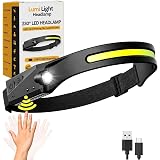
LED Headlamp Rechargeable Flashlight | LED Headtorch, Rechargeable 230 Wide Angle Beam Headlight, 4 Light Modes Adjustable Waterproof Head Lamp with Motion Sensor
$19.97 (as of October 14, 2026 21:01 GMT +00:00 – More infoProduct prices and availability are accurate as of the date/time indicated and are subject to change. Any price and availability information displayed on [relevant Amazon Site(s), as applicable] at the time of purchase will apply to the purchase of this product.)


