FPV
-
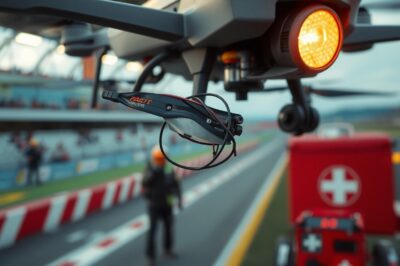
The Uncomfortable Truth About FPV Racing Safety Nobody Talks About (Until They Get Hurt)
Most FPV racing enthusiasts focus on the thrill of the chase and the technology behind their drones, but there’s an unsettling aspect of safety that often goes unaddressed. As you dive deeper into this exhilarating hobby, it’s vital to recognize the risks involved and the potential for injury. This post will unveil important safety practices…
-
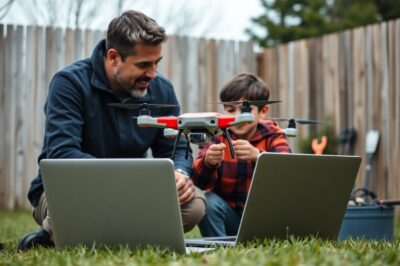
At What Age Should Kids Start FPV? Experts Weigh In
Most parents wonder about the right age for their children to start flying First Person View (FPV) drones. This informative post gathers insights from professionals in the field to help you understand the best age for introducing your kids to this exciting hobby, ensuring a safe and enjoyable experience. By considering expert opinions and child…
-
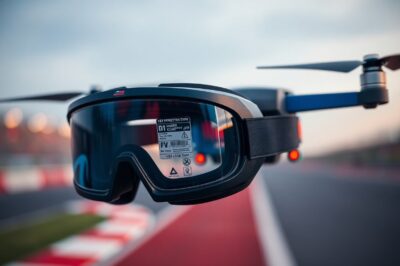
FPV Racing Goggles with Eye Protection Standards
Many FPV (First-Person View) racing enthusiasts often overlook the importance of eye protection when selecting goggles. As you immerse yourself in the thrilling world of drone racing, ensuring that your goggles meet specific eye protection standards is necessary for safeguarding your vision. This post will guide you through the key eye protection features to look…
-
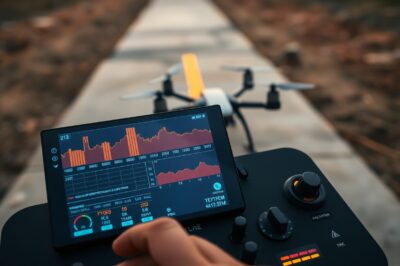
FPV Racing Frequency Management with Interference
With an understanding of frequency management, you can enhance your FPV racing experience by minimizing interference. This blog post will guide you through effective techniques to select and manage frequencies, ensuring optimal performance of your racing drones. You’ll learn about the sources of interference, how to avoid them, and the importance of frequency coordination in…
-
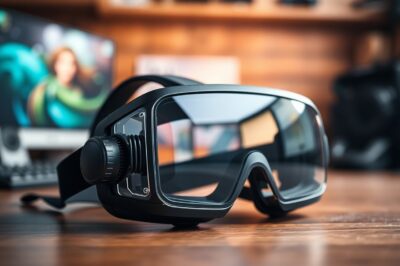
FPV Goggles IPD Adjustment for Eye Strain
Most FPV (First-Person View) enthusiasts experience discomfort due to improper interpupillary distance (IPD) settings in their goggles. Adjusting the IPD to fit your unique vision can significantly reduce eye strain, enhance your viewing experience, and improve overall flight performance. By fine-tuning this setting, you’ll not only achieve clearer imagery but also prolong your time spent…
-
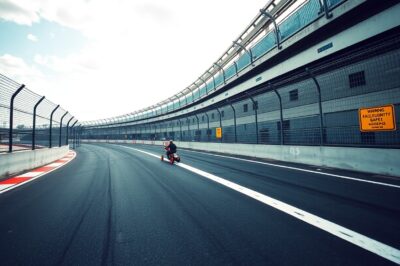
FPV Racing Track Safety with Barriers Systems
With the excitement of FPV racing comes the responsibility of ensuring a safe environment for both pilots and spectators. Implementing effective barrier systems on your racing track can significantly reduce the risk of accidents and injuries. This post will guide you through various types of barriers available, their placement, and how they enhance safety during…
-
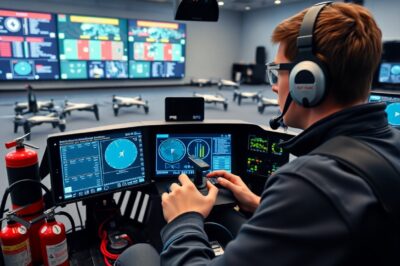
FPV Racing Emergency Procedures with Protocol
Many FPV racing enthusiasts overlook the importance of having a solid emergency protocol in place. When faced with unexpected situations during a race, knowing how to respond effectively can protect your equipment and ensure safety for everyone involved. This guide will provide you with vital emergency procedures tailored for FPV racing, empowering you to navigate…
-
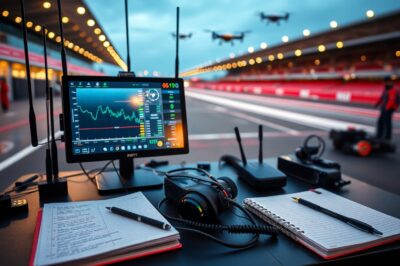
FPV Racing Spotter Role with Requirements
You play a vital role as an FPV racing spotter, assisting pilots by providing real-time information during races. Your responsibilities include keeping track of drone positions, identifying hazards, and communicating effectively with the pilot to enhance performance and safety. To excel in this position, you will need strong observational skills, knowledge of drone operations, and…
-

FPV Racing Safety Checklist for Pre-Flight
It’s crucial to ensure your FPV racing experience is both thrilling and safe. Before you take to the skies, a thorough pre-flight checklist is necessary to prepare your drone and optimize your performance. This guide will help you systematically review your equipment, identify any potential issues, and confirm that you are following best practices for…
-
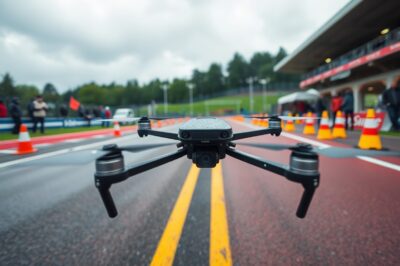
FPV Racing Weather Conditions with Guidelines
Just as you prepare your drone for FPV racing, understanding the weather conditions can significantly impact your performance. Factors like wind speed, temperature, and precipitation can affect your flight stability and overall experience. This guide will provide you with imperative guidelines to assess weather conditions and make informed decisions, ensuring you have the best racing…
Follow Us
Categories
- Drone Racing 250
- Safety Gear 149
- Uncategorized 77