Amazon Basics Neoprene Dumbbell Hand Weights for Exercise and Muscle Toning
$26.85 (as of November 3, 2026 22:32 GMT +00:00 – More infoProduct prices and availability are accurate as of the date/time indicated and are subject to change. Any price and availability information displayed on [relevant Amazon Site(s), as applicable] at the time of purchase will apply to the purchase of this product.)
Sawyer Products SP128 Mini Water Filtration System, Single, Blue
$28.99 (as of November 3, 2026 22:32 GMT +00:00 – More infoProduct prices and availability are accurate as of the date/time indicated and are subject to change. Any price and availability information displayed on [relevant Amazon Site(s), as applicable] at the time of purchase will apply to the purchase of this product.)
DON’T DIE Emergency Blanket – 5 Pack – Thermal Mylar Foil Space Blankets | Ultralight Waterproof Essential Survival Gear Supplies For Hiking Camping Tactical First Aid Go Bag Earthquake Disaster Kits
$11.95 (as of November 3, 2026 22:32 GMT +00:00 – More infoProduct prices and availability are accurate as of the date/time indicated and are subject to change. Any price and availability information displayed on [relevant Amazon Site(s), as applicable] at the time of purchase will apply to the purchase of this product.)
HotHands Hand Warmers Bulk Pack, 40 Pairs – America’s Favorite Warmer
$25.60 (as of November 3, 2026 22:32 GMT +00:00 – More infoProduct prices and availability are accurate as of the date/time indicated and are subject to change. Any price and availability information displayed on [relevant Amazon Site(s), as applicable] at the time of purchase will apply to the purchase of this product.)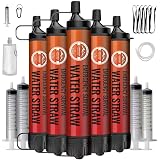
Lormandy Straw Water Filter 5 Pack – Outdoor Camping & Hiking Survival Gear | Family Use Ultra-Light Personal Filter Straws | Backpacking, Travel, Bug-Out Bags, Emergency Preparedness
$69.88 (as of November 3, 2026 22:32 GMT +00:00 – More infoProduct prices and availability are accurate as of the date/time indicated and are subject to change. Any price and availability information displayed on [relevant Amazon Site(s), as applicable] at the time of purchase will apply to the purchase of this product.)
Taking Flight: A Beginner’s Journey to FPV Mastery
Hey there, sky chaser! You’re about to embark on an exhilarating adventure into the world of FPV racing drones. FPV, or First Person View, flying is like stepping into the cockpit of a miniature jet, zipping through the air at breakneck speeds. It’s pure adrenaline, skill, and a touch of tech wizardry. And the Taranis QX7? It’s your trusty sidekick, the controller that’ll make you feel like a true pilot. So, strap in, because we’re about to take off!
Key Takeaways
- Discover the thrill of FPV racing drones and learn how to master the controls.
- Understand the features and functions of the Taranis QX7 transmitter.
- Set up your Taranis QX7 with ease and configure it for optimal performance.
- Get to grips with the essential components of an FPV system.
- Start your journey with confidence, knowing you have the know-how to navigate the skies.
Choosing Your Taranis QX7: The First Step
Choosing the right gear is crucial in FPV flying, and the Taranis QX7 is a fantastic starting point. It’s a transmitter that offers versatility, durability, and the ability to grow with your skills. With its array of switches, knobs, and sliders, the QX7 lets you take control of your drone like never before. And the best part? It’s user-friendly for beginners but packed with advanced features for when you’re ready to level up.

Understanding Your Taranis QX7
Before we dive into flying, let’s get to know your Taranis QX7. It’s more than just a remote; it’s the nerve center of your FPV experience. The QX7 comes with a backlit LCD screen, haptic feedback, and voice alerts, keeping you informed and in control. It operates on OpenTX, an open-source firmware that’s constantly updated by a community of enthusiasts. This means your QX7 is always on the cutting edge, ready to adapt to the latest tech and trends in FPV flying.
Initial Setup and Configuration
Now, let’s get your Taranis QX7 ready for action. First, you’ll want to charge the battery and install the OpenTX Companion on your computer. This software is your gateway to customizing every aspect of your QX7. You’ll create a model profile for your drone, calibrate the sticks and switches, and set up the failsafe to ensure your drone comes back to you if it loses signal. Remember, a well-configured transmitter is your best ally in the skies.
Getting Familiar with FPV Basics
FPV flying is a whole new ballgame compared to traditional line-of-sight flying. It’s immersive, it’s fast, and it requires a solid understanding of the basics. But don’t worry, you don’t need to be a tech wizard to get started. You just need to understand the core concepts and how they fit together. That’s where we come in, guiding you through each step with clarity and insight.
What is FPV?
FPV stands for First Person View, and it’s exactly what it sounds like. You see what your drone sees, in real-time, through a camera mounted on the drone. This feed is sent to goggles or a monitor, giving you a front-row seat to the action. It’s this perspective that makes FPV flying so unique and exciting. You’re not just controlling a drone; you’re flying!
Components of an FPV System
An FPV system consists of a few key components that work together to give you that immersive flying experience. You have your camera, which captures the view; the video transmitter (VTX), which sends the camera’s feed to your goggles; and the video receiver, which picks up the feed for your viewing pleasure. And let’s not forget the antennas, which are crucial for a clear signal. Each part plays a role in delivering that crisp, real-time view from your drone to your eyes.

Connecting Taranis QX7 to Your Drone
Alright, it’s time to link your Taranis QX7 to your drone. This is called ‘binding,’ and it’s how your transmitter and drone talk to each other. Think of it like introducing two friends at a party so they can hang out together. It’s a simple process, and once you’ve done it, your drone will know that your QX7 is the one in charge.
Binding Process Simplified
To start the binding process, you’ll need to power on your QX7 and navigate to the ‘Model Setup’ menu. Here, you’ll create a new model for your drone if you haven’t already. Then, with your drone’s receiver ready to bind, press the ‘Bind’ option on your QX7. You’ll hear some beeps, and the receiver will start looking for your transmitter’s signal. Once they connect, the receiver’s light will go solid, and you’re good to go. It’s like a digital handshake between your QX7 and drone.
Troubleshooting Connection Issues
But what if things don’t go smoothly? If you’re having trouble binding, don’t sweat it. First, double-check that you’re on the right frequency and that your receiver is in bind mode. If you’re still stuck, move away from any electronic devices that could cause interference. A fresh pair of eyes can also help, so don’t hesitate to reach out to the FPV community for advice. They’re a friendly bunch, always ready to lend a hand.
Navigating the Taranis QX7 Menus and Settings
Now that your drone and QX7 are on speaking terms, let’s take a tour of the QX7’s menus. The menus are your control center, where you’ll tweak settings to make your drone behave exactly how you want it to. It’s like customizing your car’s settings before a big race.

“Holding Drone Controller …” from www.pexels.com and used with no modifications.
Basic Menu Functions and Navigation
The ‘Model Selection’ screen is where you’ll find all your different drone profiles. Use the scroll wheel to navigate and click to select. ‘Model Setup’ is where you’ll adjust settings like name, timer, and internal RF options. ‘Inputs’ and ‘Mixes’ are where the real fun begins, letting you fine-tune how your sticks and switches affect the drone’s movement.
Key Settings for Optimal Control
Some settings are crucial for a responsive and smooth flight experience. For instance, ‘Expo’ helps soften the response around the center of your sticks, giving you finer control when making small movements. ‘Rates’ determine how fast your drone can turn or roll. And don’t forget about ‘Failsafe’—it’s your safety net, telling your drone what to do if it loses contact with your QX7.
Practicing on Simulators Before the First Flight
Before you take to the skies, simulators are your best friend. They let you practice flying without risking your drone. It’s like playing a video game that teaches you real-life skills. A crash in a simulator costs nothing, and you can fly in all sorts of conditions and scenarios. By the time you’re done, you’ll be ready for anything the real world throws at you.
Choosing the Right Simulator
There are several great simulators out there, but you’ll want one that feels right for you. Look for a simulator that’s compatible with your Taranis QX7 and offers realistic physics. Some popular options include VelociDrone, Liftoff, and DRL Simulator. They each have their quirks and features, so try a few and see which one clicks with your flying style.
Transferring Skills from Simulator to Real World
So, you’ve been honing your skills in the simulator, feeling more confident by the minute. It’s time to take that confidence and apply it to your actual drone. Remember, while the simulator is a fantastic tool, real-world flying comes with variables like wind, signal interference, and the heart-pounding reality of your drone zipping through the air. Start with simple maneuvers in a safe, open space. The muscle memory you’ve built in the simulator will kick in, and you’ll soon find the transition smoother than you expected.

The Art of Calibration and Fine-Tuning
Calibration and fine-tuning are what separate a good FPV experience from a great one. It’s about making sure your drone responds to your touch just the way you want it to. This process is like tuning a musical instrument; it takes patience and attention to detail, but the harmony it creates is worth every second.
Step-by-Step Calibration Process
Calibrating your Taranis QX7 ensures that your inputs translate accurately to your drone’s movements. Start by accessing the ‘Calibration’ menu on your QX7. Follow the on-screen instructions to move your sticks and switches to their extremes. This teaches your QX7 the range of motion it has to work with. Once completed, your controls will be precise, ensuring a true reflection of your commands in flight.
Fine-Tuning Controls for Better Response
After calibration, fine-tuning your controls can give you the edge you need. This involves adjusting settings like ‘Exponential’ and ‘Dual Rates’ in your QX7. Exponential softens stick movements near the center, giving you more precision for small adjustments. Dual Rates limit the maximum output of your sticks, perfect for when you’re getting used to the feel of your drone. It’s all about personal preference and finding the sweet spot for your flying style.
Gaining Control: Your First Flight
The moment has arrived – your first real-world flight. Your hands might be sweaty, your heart racing, but you’re ready. You’ve practiced, calibrated, and fine-tuned everything to perfection. It’s time to breathe life into your drone and watch as it responds to your every command. Remember, this is just the beginning of your journey. Each flight is a learning experience, a chance to become a more skilled pilot.
Pre-Flight Checklist
Before you launch, run through a pre-flight checklist to ensure everything is in order. Check your drone’s battery level, propeller security, and motor functionality. Ensure your flight area is clear of obstacles and bystanders. Double-check your FPV gear is working correctly, and your Taranis QX7 is fully charged and properly bound to your drone. A thorough pre-flight check minimizes risks and sets the stage for a successful flight.
Tips for a Successful Launch
As you prepare to take off, keep these tips in mind: Start with gentle movements to get a feel for your drone’s response. Keep it low and slow at first, gradually increasing altitude and speed as you gain confidence. Always be aware of your surroundings and maintain a line of sight with your drone when possible. And most importantly, stay calm. If you feel overwhelmed, just bring your drone back and land smoothly. There’s always another flight to push the boundaries.
Advanced Maneuvers and Tips
Once you’re comfortable with the basics, it’s time to explore advanced maneuvers. These are the moves that will truly showcase your skills and set your heart racing. We’re talking about tight turns, flips, rolls, and maybe even some freestyle tricks. But remember, with great power comes great responsibility. Practice these moves in a safe environment and always respect the safety of others and your drone.

Improving Flight Skills
Improving your flight skills is a journey of continuous learning and practice. Each time you fly, set small goals to push your abilities a bit further. Maybe today, you focus on smoother turns, and tomorrow, you work on maintaining altitude during fast forward flight. Use every session to refine your control and build muscle memory. And don’t forget to review your flight footage; it’s one of the best ways to spot areas that need improvement and track your progress over time.
Customizing Controls for Advanced Maneuvers
As you progress, you’ll want to customize your Taranis QX7 controls to fit advanced maneuvers. This might mean setting up different flight modes, adjusting rates and expos, or programming complex switch sequences. The goal is to have a setup that feels intuitive and enhances your ability to execute those jaw-dropping moves. Experiment with different settings, and you’ll soon have a control scheme that feels like an extension of your own reflexes.
Taking Care of Your Taranis QX7
Your Taranis QX7 is the key to your FPV experience, so taking good care of it is essential. A well-maintained transmitter will last for years and ensure consistent performance every time you fly. Treat it with respect, keep it clean, and store it properly, and your QX7 will be a reliable partner for countless adventures in the sky.
Regular Maintenance Tips
Regular maintenance of your Taranis QX7 isn’t complicated, but it’s vital. Keep the gimbals clean to ensure smooth stick movements. Check for loose switches and tighten them if necessary. Keep your battery charged, but don’t overcharge it. And always store your transmitter in a protective case to shield it from dust and damage. Simple steps like these will keep your QX7 in top flying condition.
Upgrading Firmware and Expanding Features
Upgrading the firmware on your Taranis QX7 is like giving it a new lease on life. With each update, you get access to improved features, bug fixes, and sometimes even new functionalities. It’s a straightforward process: download the latest firmware, connect your QX7 to your computer, and follow the steps provided by OpenTX Companion. This not only keeps your transmitter up to date but also ensures you’re getting the most out of your FPV flying experience.
Joining the Community: Where to Grow from Here
The FPV community is a vibrant and welcoming place, full of pilots who share your passion for the skies. It’s a treasure trove of knowledge, experience, and friendship. Joining this community is not just about flying; it’s about growing as a pilot, sharing your own stories, and contributing to the hobby we all love.
Connecting with Other FPV Pilots
Connecting with other FPV pilots can open up a whole new world of learning and fun. Online forums, social media groups, and local clubs are great places to start. Here, you can ask questions, share tips, and get feedback on your flying. You might even find a mentor to help you navigate the more challenging aspects of FPV flying. The camaraderie and support you’ll find within the community are invaluable.
Attending Races and Meetups
Attending races and meetups is the ultimate way to immerse yourself in the FPV culture. It’s where you’ll see top pilots in action, discover the latest gear, and push your own skills in friendly competition. Whether you’re there to compete or just to watch and learn, the experience of a live event is electrifying. Plus, there’s nothing like the thrill of flying through a racecourse with others cheering you on. So find an event near you, and dive into the heart of the FPV action!

FAQ: Your Top Questions Answered
How do I update my Taranis QX7 firmware?
Updating the firmware on your Taranis QX7 is a breeze and keeps your controller up to speed with the latest features. Start by downloading the latest firmware from the OpenTX website. Connect your QX7 to your computer using a USB cable, and use the OpenTX Companion software to transfer the new firmware to your transmitter. Follow the prompts, and don’t disconnect until the update is complete. It’s like giving your QX7 a quick brain upgrade – simple and effective.
Can I use Taranis QX7 with different types of drones?
Yes, the Taranis QX7 is a versatile beast! It can be used with a variety of drones, from tiny whoops to larger racing and freestyle drones. The key is to ensure that your drone’s receiver is compatible with the QX7’s transmitter module. If they can communicate, you’re all set. It’s like having a universal remote for your flying fleet – one controller to rule them all.
What should I do if my controls are unresponsive?
Unresponsive controls can be a pilot’s nightmare, but don’t panic. First, check the basics: ensure your QX7 and drone batteries are charged, and you’re within range. If everything looks good there, recalibrate your transmitter sticks and verify that your model is correctly selected and bound. Sometimes, it’s just a matter of re-establishing the connection between your QX7 and the drone. It’s like making sure all the wires in your entertainment system are properly plugged in for a smooth movie night.
How can I reduce latency between my controller and drone?
Latency can be a drag, literally. To keep your controls as snappy as possible, ensure you’re using the latest firmware on both your QX7 and drone. Use a high-quality, low-latency video transmitter and receiver for your FPV system. Avoid flying in areas with heavy electronic interference, and consider using a lower latency protocol if your gear supports it. It’s all about streamlining the communication between your hands and your drone for that instant response.
Are there customization options for the Taranis QX7 switches?
Customization is the name of the game with the Taranis QX7. Every switch and button can be programmed to perform a wide range of functions. Whether you want a switch to trigger a buzzer, toggle between flight modes, or anything else, you can set it up through the OpenTX interface. It’s like tailoring a suit – you adjust everything until it fits your style and needs perfectly.
Author

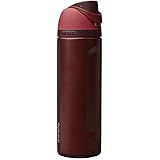
Owala FreeSip Stainless Steel Water Bottle 24 oz Black Cherry
$29.99 (as of November 3, 2026 22:32 GMT +00:00 – More infoProduct prices and availability are accurate as of the date/time indicated and are subject to change. Any price and availability information displayed on [relevant Amazon Site(s), as applicable] at the time of purchase will apply to the purchase of this product.)
CoreMuse Camping Water Container 2.1 Gallon Collapsible Water Jug with Spout – Reusable Plastic Flasks, Foldable Empty Gallon Jug for Water Storage, Water Bag for Outdoor Hiking Emergency Prep 2 Pack
$19.28 (as of November 3, 2026 22:32 GMT +00:00 – More infoProduct prices and availability are accurate as of the date/time indicated and are subject to change. Any price and availability information displayed on [relevant Amazon Site(s), as applicable] at the time of purchase will apply to the purchase of this product.)
Hydro Flask Micro Bottle – Insulated Mini Leak Proof Flask for Purse or Pocket in 6.7 Oz Gloss Winterberry
$27.95 (as of November 3, 2026 22:32 GMT +00:00 – More infoProduct prices and availability are accurate as of the date/time indicated and are subject to change. Any price and availability information displayed on [relevant Amazon Site(s), as applicable] at the time of purchase will apply to the purchase of this product.)
HotHands Hand Warmers Bulk Pack, 40 Pairs – America’s Favorite Warmer
$25.60 (as of November 3, 2026 22:32 GMT +00:00 – More infoProduct prices and availability are accurate as of the date/time indicated and are subject to change. Any price and availability information displayed on [relevant Amazon Site(s), as applicable] at the time of purchase will apply to the purchase of this product.)