
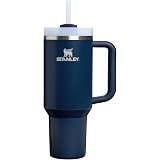
STANLEY Quencher H2.0 Flow State Tumbler, 40 oz, Dark Navy | Handle and Straw | 3-Position Lid | Cup Holder Compatible for Travel | Insulated Stainless Steel Cup | BPA-Free
$45.00 (as of October 14, 2026 21:01 GMT +00:00 – More infoProduct prices and availability are accurate as of the date/time indicated and are subject to change. Any price and availability information displayed on [relevant Amazon Site(s), as applicable] at the time of purchase will apply to the purchase of this product.)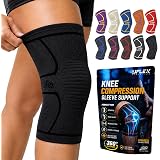
UFlex Athletics Knee Brace Sleeve Men & Women | Knee Compression Sleeve Support for Arthritis Joint Pain Relief, Workout, Swelling, Sports, Circulation, Running ACL Recovery
$18.99 (as of October 14, 2026 21:01 GMT +00:00 – More infoProduct prices and availability are accurate as of the date/time indicated and are subject to change. Any price and availability information displayed on [relevant Amazon Site(s), as applicable] at the time of purchase will apply to the purchase of this product.)
YETI Rambler Jr. 12 oz Kids Bottle, with Straw Cap
$28.00 (as of October 14, 2026 21:01 GMT +00:00 – More infoProduct prices and availability are accurate as of the date/time indicated and are subject to change. Any price and availability information displayed on [relevant Amazon Site(s), as applicable] at the time of purchase will apply to the purchase of this product.)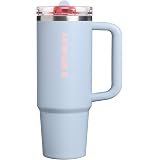
STANLEY Quencher ProTour Flipstraw Tumbler, 30 oz, Blue Dream | Built-In Straw & Handle | Cupholder Compatible for Travel | Leakproof Insulated Stainless Steel Cup | BPA-Free
$40.00 (as of October 14, 2026 21:01 GMT +00:00 – More infoProduct prices and availability are accurate as of the date/time indicated and are subject to change. Any price and availability information displayed on [relevant Amazon Site(s), as applicable] at the time of purchase will apply to the purchase of this product.)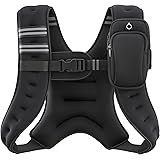
ZELUS Weighted Vest, 6lb/8lb/12lb/16lb/20lb/25lb/30lb Weight Vest with Reflective Stripe for Workout, Strength Training, Running, Fitness, Muscle Building, Weight Loss, Weightlifting
$27.89 (as of October 14, 2026 21:01 GMT +00:00 – More infoProduct prices and availability are accurate as of the date/time indicated and are subject to change. Any price and availability information displayed on [relevant Amazon Site(s), as applicable] at the time of purchase will apply to the purchase of this product.)FPV racing is evolving, and you may have noticed that many professional racers are moving away from traditional helmets in favor of a more affordable $89 alternative. This shift is driven by advancements in design, weight reduction, and increased visibility that enhance your racing experience. By opting for this innovative solution, you can improve comfort and performance without sacrificing safety. Discover why this change is gaining traction among the pros and how it can benefit your own FPV racing endeavors.
Most FPV racers are making a significant shift from traditional helmets to an innovative $89 alternative that enhances comfort and performance. This change reflects their quest for improved visibility, reduced weight, and better airflow during intense racing sessions. By abandoning bulky headgear, you can enjoy a more streamlined experience, allowing you to focus on your drone’s performance rather than your equipment. Discover how this trendy alternative is revolutionizing the FPV racing world and why you might want to consider making the switch yourself.
Key Takeaways:
- Pro FPV racers prefer lighter headsets for improved comfort and agility.
- Enhanced visibility and field of view substitute traditional helmets effectively.
- Modern headsets offer advanced features like built-in screens and augmented reality.
- Bluetooth connectivity simplifies communication between team members.
- Affordability of alternatives encourages adoption among a wider range of racers.
Key Takeaways:
- Pro FPV racers prefer lightweight alternatives for enhanced comfort during long races.
- Advanced features like integrated displays improve situational awareness compared to traditional helmets.
- Ergonomic designs allow for better airflow, reducing heat build-up.
- Affordable price point of $89 makes this alternative accessible for many racers.
- Customization options enhance personal style and performance preferences.
The Shift in FPV Racing
The landscape of FPV racing is evolving rapidly, with pro racers trading in their traditional helmets for innovative alternatives that prioritize comfort and performance. This shift is largely driven by the need for enhanced field of vision and reduced weight during intense competition. You’ll notice that as technology advances, so do the tools that allow you to navigate complex courses with greater precision and ease.
Limitations of Traditional Helmets
Traditional helmets often restrict your peripheral vision and add unnecessary weight, creating fatigue during prolonged races. Their bulkiness can hinder the agility needed to maneuver effectively in fast-paced environments. Additionally, many designs lack adequate ventilation, leading to discomfort and distraction when you need to focus on the race.
Advantages of New Alternatives
New alternatives, like lightweight goggles and headsets, prioritize both visibility and comfort. These innovations are designed to provide a wide field of view and integrated display options, enhancing your spatial awareness and control. They also typically weigh less than helmets, reducing neck strain over long races and allowing for improved concentration.
These new alternatives also incorporate advanced technologies like augmented reality overlays and integrated audio systems, which keep you informed without diverting your attention. For example, some models can display telemetry data directly in your line of sight, helping you make split-second decisions. This combination of features not only elevates your racing experience but also enhances your safety and performance on the track.
The Limitations of Traditional Helmets
Despite their widespread use in various activities, traditional helmets come with significant drawbacks that FPV racers increasingly find limiting. They often hinder performance and comfort, which is important for those engaged in high-speed, precision racing. As you seek to optimize your racing experience, understanding these limitations can help inform your decision-making on gear choices.
Weight and Bulkiness
Traditional helmets tend to be heavy and bulky, adding unnecessary strain during long races. You may find that the weight fatigue can detract from your concentration, ultimately affecting your performance. With modern alternatives weighing significantly less, you can maintain better agility and focus on your skills.
Limited Field of Vision
The restrictive design of traditional helmets can severely limit your field of vision, forcing you to shift your head more to see your surroundings. In fast-paced racing, every split-second count counts, and peripheral vision plays a pivotal role. If your helmet doesn’t allow you to see what’s happening around you, it can compromise your ability to navigate tight turns and dodge obstacles. Advanced alternatives address this by providing a broader field of view, maximizing your situational awareness and enhancing your racing strategy.

Features of the $89 Alternative
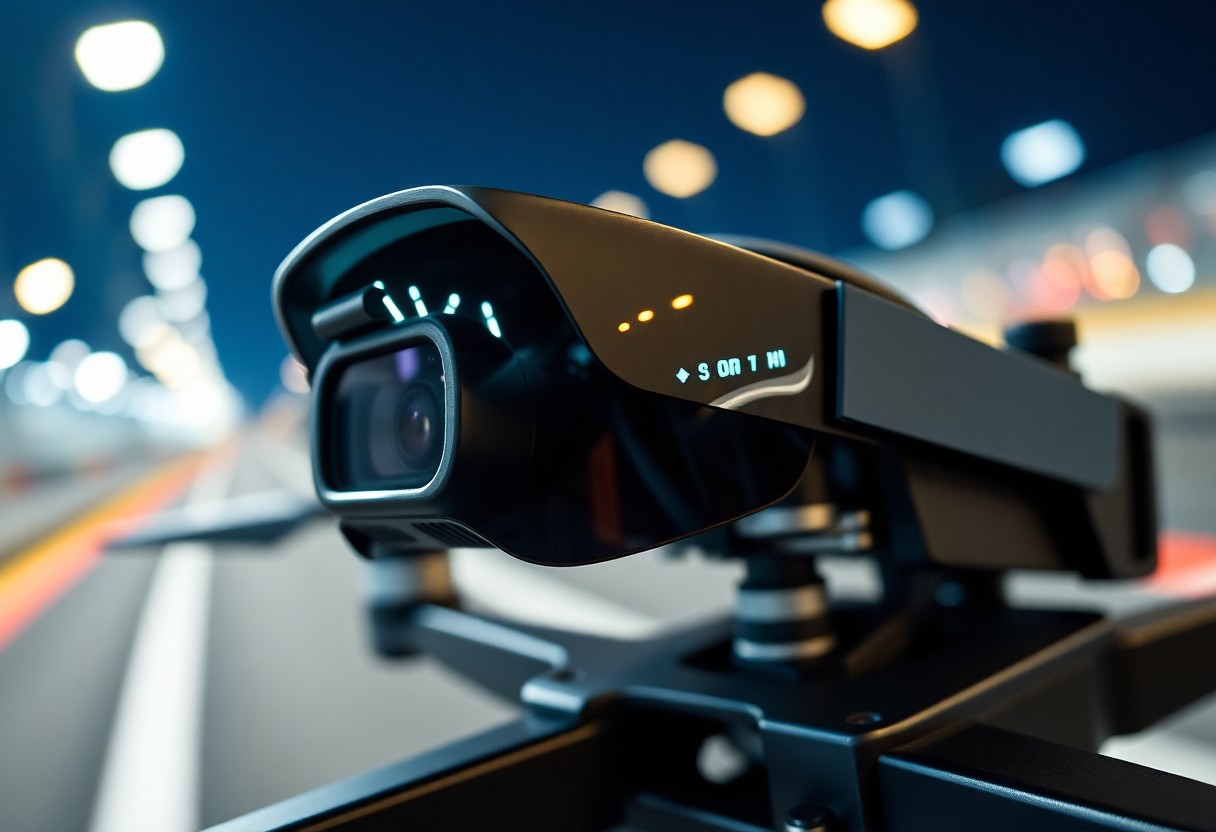
This innovative alternative packs a punch with its unique set of features, making it a game-changer for FPV racers. Weighing only 1.2 pounds, it combines lightweight materials with advanced technology to enhance your racing experience. Its superb ventilation system ensures you stay cool under pressure, while adjustable straps provide a snug fit tailored to your head. Compatibility with multiple FPV goggles also makes it a versatile choice for racers of all levels, offering a seamless transition between setups.
Design and Comfort
The design focuses on user comfort and adaptability. Its ergonomic shape contours to your head, minimizing fatigue during intense races. Made from breathable materials, it prevents overheating and sweat buildup, allowing you to maintain your focus and performance throughout the race. Customizable padding further enhances the fit, ensuring that you can enjoy hours of racing without discomfort.
Enhanced Visibility and Safety
Visibility is paramount in FPV racing, and this alternative excels in that department. The wide visor provides an unobstructed view of your environment, allowing you to track your drone effortlessly. Additionally, its lightweight construction ensures that you won’t feel bogged down, which can often happen with traditional helmets. The integration of reflective materials increases your visibility to others, promoting safety in competitive scenarios.
In the bustling world of FPV racing, enhanced visibility can significantly affect your performance. The alternative’s expansive visor not only widens your peripheral vision but also minimizes blind spots, allowing for quick reactions during high-speed maneuvers. Furthermore, its reflective aspects improve safety in low-light environments, making you more visible to fellow racers and spectators. This attention to visibility and safety translates directly into improved racing outcomes, giving you the competitive edge needed to excel.
The Rise of FPV Goggles
FPV goggles have surged in popularity among racers, providing immersive experiences that traditional helmets simply can’t match. These high-tech devices allow you to perceive your drone’s surroundings as if you were onboard, enhancing your control and reaction time during high-speed competitions. With evolving technology, manufacturers are developing goggles that weigh less, offer superior visuals, and incorporate advanced features designed specifically for racing enthusiasts.
Enhanced Experience
Your racing experience transforms with FPV goggles, as they deliver high-definition video feeds directly to your eyes. With a wider field of view and minimal latency, you can react more swiftly to obstacles and opponents. This immersive technology not only boosts your enjoyment but also optimizes your performance during races, giving you that much-needed edge over competitors.
Safety Features
Safety is paramount in FPV racing, and modern goggles provide crucial features that enhance rider protection. Many models come equipped with built-in safety mechanisms, such as adjustable straps for a secure fit, impact-resistant lenses, and low-latency video feeds to minimize distractions while flying. These features ensure that you stay aware of your surroundings without compromising your thrill-seeking spirit.
Some FPV goggles integrate additional safety aspects such as emergency features that automatically switch to a fail-safe mode if your drone loses signal. This provides you with peace of mind, knowing that should an issue arise, your equipment can safely land or hover until you regain control. With more racers adopting these technologies, you’re not just enhancing your racing capability, but you’re also prioritizing safety, allowing for a more confident and focused flying experience.
Comfort and Usability Comparisons
| Traditional Helmets | $89 Alternative |
| Heavier, can cause neck strain | Lightweight design minimizes fatigue |
| Limited ventilation | Enhanced airflow for comfort |
| Bulky, difficult to transport | Compact and portable |
| Fixed field of view | Adjustable settings for optimal perspective |
User Feedback and Preferences
FPV racers consistently report a preference for the $89 alternative due to its enhanced comfort and usability features. Many users highlight the light weight and adjustable fit as key factors that improve their experience during long races. Feedback suggests that these goggles allow for better focus on the track, reducing distractions caused by traditional helmet discomfort.
Long-Term Effects on Performance
Switching to the $89 alternative has shown notable long-term benefits for performance, primarily through improved focus and endurance during races. Users often find themselves less fatigued, allowing for extended training sessions and better reaction times, which can significantly enhance race outcomes.
Long-term effects on performance are particularly evident in how you handle endurance challenges. As FPV racing demands intense concentration over extended periods, the reduced strain from lighter goggles allows you to maintain better control and precision. Studies indicate that racers using these alternatives have recorded competitive lap times, reflective of increased stamina and focus, while also reporting fewer distractions related to physical discomfort, ultimately translating to consistent improvements in race performance.
Cost-Effectiveness
Your investment in FPV racing gear can significantly impact your overall budget. Opting for the $89 alternative over traditional helmets offers a substantial saving without sacrificing quality. This choice allows you to allocate funds toward other imperative gear or practice sessions, enhancing your racing experience without breaking the bank.
Comparing Prices with Traditional Helmets
Price Comparison
| Traditional Helmets | $200 – $600+ |
| $89 Alternative | $89 |
Long-Term Value for Racers
Choosing the $89 alternative means considering not just initial savings but also longevity and performance. Many racers have reported lower costs for replacements and maintenance, making it a more sustainable option over time. With ongoing advancements in FPV technology, this budget-friendly option ensures you’re not locked into outdated equipment.
The long-term value shines as the $89 alternative often outperforms its pricier counterparts in terms of durability and features. When you factor in the potential for fewer replacements and its compatibility with emerging technologies, the financial benefits become even more apparent. This allows you to focus resources on racing and personal development instead of endlessly upgrading expensive helmets.
Cost-Effectiveness of the $89 Alternative
The $89 alternative emerges as a cost-effective solution without sacrificing performance or safety. By investing in this option, you eliminate high-priced traditional helmets while accessing advanced technology tailored for FPV racing. This affordability makes it viable for both seasoned racers and newcomers, allowing you to focus on honing your skills without overspending on gear.
Investment in Technology
This alternative utilizes cutting-edge technology, including enhanced FPV capabilities and improved lens clarity. By integrating these features at a lower price point, you gain access to innovations typically reserved for much more expensive products. This investment turns into an opportunity to elevate your racing experience without breaking the bank.
Comparing Costs with Traditional Options
When you juxtapose the $89 alternative with traditional helmets, the financial differences are striking. High-end helmets can cost anywhere from $300 to $1,000, leaving you with a substantial savings margin. This makes the alternative an appealing choice, especially for those who dabble in racing without fully committing.
Cost Comparison
| Item | Average Cost |
|---|---|
| Traditional Helmet | $300 – $1,000 |
| $89 Alternative | $89 |
Detailed Comparison of Features
| Feature | Traditional Helmet |
|---|---|
| Weight | Heavy |
| Comfort | Limited ventilation |
| Technology | Basic |
| Price | $300 – $1,000 |
| Weight | Lightweight |
| Comfort | Highly ventilated |
| Technology | Advanced FPV features |
| Price | $89 |

Community Feedback
Pro FPV racers are actively sharing their experiences with this $89 alternative, and the feedback is overwhelmingly positive. Many highlight the significant weight reduction and enhanced field of view, allowing for better performance during races. Additionally, the comfort and compatibility with different face shapes make it a preferred choice for extended flying sessions. You’ll find numerous discussions online emphasizing how this product enhances both comfort and performance, proving its value in real-world conditions.
Testimonials from Pro FPV Racers
Pro racers have embraced this alternative, citing improvements in agility and focus. One racer noted, “Switching to these goggles crushed my previous lap times, as I’m no longer distracted by bulky gear.” Another stated, “The visibility is unmatched, and I can now react instantly to course changes.” These endorsements underscore how imperative this innovation has become for competitive FPV racing.
Reviews from the FPV Community
The FPV community has lauded this alternative for its user-centric design and performance enhancements. Users frequently report favorable comparisons to traditional helmets, noting that the goggles offer clearer visuals and less fatigue over long periods. Many community reviews reflect a shift in preference, emphasizing not just the superior technology but also the sense of immersion that enhances the overall racing experience.
Many reviews reflect a unanimous shift toward this new option, often highlighting features like the lightweight construction and impressive battery life. Users rave about how comfortable they feel, even during intense racing or long practice sessions. Moreover, forums are buzzing with discussions on customization options and adaptability, showcasing how this alternative is quickly becoming a must-have within the racing community, aligning with both novice and seasoned racers’ needs.
Industry Adoption and Trends
The trend of adopting advanced FPV racing gear is noticeably gaining momentum within the industry. Many racers are opting for this $89 alternative due to its lightweight design and enhanced comfort, allowing for longer practice sessions without fatigue. As more pilots share their experiences through social media and competitive circuits, there’s a ripple effect, encouraging others to consider this shift. With endorsements from prominent racing leagues and events, this alternative is set to redefine standard practices in FPV racing.
Professional Endorsements
Prominent FPV racers are vocal about their satisfaction with the $89 alternative, often mentioning its superior airflow and visibility compared to traditional helmets. Many have integrated it into their race day setups, showcasing its benefits in high-stakes competitions. Endorsements from industry leaders not only validate its performance but also inspire confidence among both aspiring and current FPV pilots.
Shifting Perspectives Among Amateur Racers
You’re witnessing an intriguing transformation among amateur racers who once relied on traditional helmets. With the growing popularity of the $89 alternative, many are experimenting with this gear to enhance their racing experience and safety. The positive feedback from more experienced racers is swaying novices to rethink what they need for successful FPV racing.
Amateur racers are increasingly gravitating toward the $89 alternative for its practicality and performance. Review platforms and online forums showcase a wealth of testimonials highlighting reduced fatigue during long races and improved situational awareness. Special promotions at local racing events and workshops are also helping to bridge the gap between novice experience and professional insights, making the transition to this innovative gear more appealing than ever.
Technical Innovations in FPV Racing
Advancements in technology are reshaping the landscape of FPV racing, enabling faster and safer drone operation. New sensor integrations, improved camera resolutions, and real-time telemetry data allow you to react more swiftly on the track. Furthermore, enhanced VR goggles provide an immersive experience, letting you navigate courses with unprecedented precision. With the rise of machine learning algorithms, drones are evolving to adapt to various racing conditions, pushing the boundaries of what you can accomplish in the sport.
Emerging Technology Trends
As you dive deeper into the world of FPV racing, emerging technology trends such as AI-assisted flight and advanced obstacle avoidance systems are worth noting. These innovations enhance your racing experience by providing real-time feedback and automatically adjusting flight paths to minimize crashes. Enhanced components like ultra-lightweight materials and high-performance motors not only improve speed but also increase overall maneuverability, giving you an edge during intense competitions.
The Future of Racing Gear
The future of racing gear is driven by customization and advanced materials that cater to individual preferences. Manufacturers are exploring 3D printing technology, allowing for bespoke drone components tailored specifically for your racing style. Smart fabrics are also entering the scene, creating lightweight gear embedded with sensors that monitor your vitals and performance metrics in real-time. This level of personalization and performance enhancement makes racing strategies more effective than ever.
As you consider your future gear, be prepared for a shift towards more integrated systems that provide comprehensive data analytics. The incorporation of augmented reality in your goggles will likely allow for race overlays, displaying critical information like battery life and speed directly within your field of view. This next-generation technology not only boosts your performance but also enhances safety, keeping you focused on what matters—winning races. With innovations rapidly evolving, staying ahead will be crucial for maximizing your potential in the sport.

Future of FPV Racing Gear
The future of FPV racing gear promises a blend of advanced technology and enhanced safety, as manufacturers explore new materials and designs tailored to the specific needs of racers. Lightweight, impact-resistant components will likely dominate the landscape, allowing you to maintain optimal performance while ensuring your safety. Additionally, features such as integrated communication systems and augmented reality displays are becoming increasingly feasible, setting the stage for a new era in FPV racing.
Innovations on the Horizon
Emerging technologies in FPV racing gear focus on improved user experience and safety enhancements. Innovations like head-mounted displays with real-time telemetry data and biometric sensors are on the horizon, allowing you to gain critical insights about your physical state and performance during intense racing scenarios. As companies invest in research and development, these innovations could redefine how you engage with FPV racing.
Expected Market Changes
The FPV racing gear market is poised for significant changes as consumer preferences shift towards more user-centric designs. With increasing competition among manufacturers, you can expect a surge in affordable, high-quality products that cater to both novice and pro racers. This trend may lead to greater accessibility, making it easier for more enthusiasts to enter the sport and elevate overall performance standards.
As the FPV racing community grows, the pressure on manufacturers to innovate will intensify. You might witness a wave of collaborations between tech firms and gear makers, resulting in cutting-edge products that are not only affordable but also packed with features tailored to enhance your racing experience. The move towards customization options will also allow you to personalize your gear to fit your specific racing style, potentially driving the market towards a more diversified and dynamic future.
Final Words
Now you understand why pro FPV racers are moving away from traditional helmets in favor of this $89 alternative. This innovative option not only enhances your field of vision but also provides superior comfort and functionality, allowing you to focus on your racing performance. By adopting this modern solution, you can elevate your experience and align with the preferences of top racers, ensuring that you stay competitive and enjoy every flight.
FAQ
Q: What are the primary benefits of using the $89 alternative over traditional helmets for FPV racing?
A: The $89 alternative offers improved comfort through better ventilation, reduced weight for enhanced agility, and increased visibility with a more streamlined design, allowing racers to maintain focus on their environment without obstruction.
Q: How does the $89 alternative enhance the FPV racing experience?
A: The alternative integrates advanced technology features, such as built-in displays and connectivity options, allowing pilots to access real-time telemetry data and better monitor their drone’s performance during races.
Q: Is the $89 alternative safe compared to traditional helmets?
A: Yes, it meets safety standards and provides adequate protection while emphasizing comfort and movement. Its lightweight design reduces fatigue, allowing racers to concentrate fully on their performance.
Q: Can the $89 alternative accommodate different head sizes and shapes?
A: Yes, the alternative features adjustable straps and padding, making it customizable for various head sizes and ensuring a secure and comfortable fit for all users.
Q: How do professional FPV racers adapt to using the $89 alternative?
A: Professionals typically undergo a brief adjustment period, during which they tweak their setup and practice with the new gear to get accustomed to its features, ultimately leading to improved performance on the track.
Summing up
Summing up, you may find that pro FPV racers are moving away from traditional helmets to embrace this $89 alternative due to its lightweight design and superior field of vision. This shift enhances your racing experience by offering better comfort and improved situational awareness, allowing you to perform at your best. As you consider your own gear choices, the advantages of this innovative solution may lead you to rethink your current equipment for a more competitive edge.
Author


EA SPORTS FC 27 Standard Edition PlayStation5 |Physical Disc I VideoGame |English
$67.88 (as of October 14, 2026 21:01 GMT +00:00 – More infoProduct prices and availability are accurate as of the date/time indicated and are subject to change. Any price and availability information displayed on [relevant Amazon Site(s), as applicable] at the time of purchase will apply to the purchase of this product.)
Cool Coolers by Fit & Fresh 4 Pack XL Slim Ice Packs, Quick Freeze Space Saving Reusable Ice Packs for Lunch Boxes or Coolers
$8.90 (as of October 14, 2026 21:01 GMT +00:00 – More infoProduct prices and availability are accurate as of the date/time indicated and are subject to change. Any price and availability information displayed on [relevant Amazon Site(s), as applicable] at the time of purchase will apply to the purchase of this product.)
Fbee Rechargeable Hand Warmers 2 Pack with Keychain, Gift for Women | Pocket-Size Design Fits Gloves, Smart Temp Control, 3 Heat Levels, Up to 7H×2 Extended Warmth, Portable Reusable USB Heater
$19.99 (as of October 14, 2026 21:01 GMT +00:00 – More infoProduct prices and availability are accurate as of the date/time indicated and are subject to change. Any price and availability information displayed on [relevant Amazon Site(s), as applicable] at the time of purchase will apply to the purchase of this product.)
Callaway Golf Supersoft Golf Balls
$19.99 (as of October 14, 2026 21:01 GMT +00:00 – More infoProduct prices and availability are accurate as of the date/time indicated and are subject to change. Any price and availability information displayed on [relevant Amazon Site(s), as applicable] at the time of purchase will apply to the purchase of this product.)



Leave a Reply