

Uposiut Mens Windbreaker Rain Jacket Waterproof Raincoat | Packable Lightweight with Hooded 10,000 mm H₂O Waterproof Rating S-5XL for Cycling Running Hiking Fishing
$14.98 (as of October 14, 2026 21:01 GMT +00:00 – More infoProduct prices and availability are accurate as of the date/time indicated and are subject to change. Any price and availability information displayed on [relevant Amazon Site(s), as applicable] at the time of purchase will apply to the purchase of this product.)
ZELUS Weighted Vest, 6lb/8lb/12lb/16lb/20lb/25lb/30lb Weight Vest with Reflective Stripe for Workout, Strength Training, Running, Fitness, Muscle Building, Weight Loss, Weightlifting
$27.89 (as of October 14, 2026 21:01 GMT +00:00 – More infoProduct prices and availability are accurate as of the date/time indicated and are subject to change. Any price and availability information displayed on [relevant Amazon Site(s), as applicable] at the time of purchase will apply to the purchase of this product.)
Kids Orange Bodysuit with Yellow Mustache Eyebrows and Inflatable Belly | Upgraded Kids’ Orange Bodysuit, Extended Back Zipper, Widened Crotch, Open Face Body Suit for Cosplay, Halloween Costume
$12.99 (as of October 14, 2026 21:01 GMT +00:00 – More infoProduct prices and availability are accurate as of the date/time indicated and are subject to change. Any price and availability information displayed on [relevant Amazon Site(s), as applicable] at the time of purchase will apply to the purchase of this product.)
Owala Star Wars FreeSip Sway Stainless Steel Water Bottle 30oz Darth Vader
$39.99 (as of October 14, 2026 21:01 GMT +00:00 – More infoProduct prices and availability are accurate as of the date/time indicated and are subject to change. Any price and availability information displayed on [relevant Amazon Site(s), as applicable] at the time of purchase will apply to the purchase of this product.)
Hasbro Gaming Bop It! Patrick Mahomes Edition Game | Officially Licensed NFL Games for Kids & Teens | Ages 8+ | 1+ Players | Gifts for Football & Chiefs Fans
$11.09 (as of October 14, 2026 21:01 GMT +00:00 – More infoProduct prices and availability are accurate as of the date/time indicated and are subject to change. Any price and availability information displayed on [relevant Amazon Site(s), as applicable] at the time of purchase will apply to the purchase of this product.)Just because you own safety gear doesn’t mean you’re using it correctly. Many drone racers fail to realize that improper use of protective equipment can lead to severe injuries or accidents. This post will examine into the common mistakes you might be making with your safety gear, from inadequate fit to neglecting crucial components. Understanding these pitfalls can enhance your racing experience while keeping you safe on the track. Let’s explore the areas where you can improve your safety practices.
Key Takeaways:
- Many racers underestimate the importance of proper fit for helmets and goggles, which can impair vision and safety.
- Improper use of safety gear, such as failing to secure all straps, drastically reduces protective effectiveness.
- Racers often neglect to replace damaged equipment, thinking it’s still safe to use.
- Lack of awareness about specific gear requirements for different racing environments leads to inadequate protection.
- Miscommunication among racers about safety protocols contributes to inconsistent gear utilization across the community.
Understanding Safety Gear
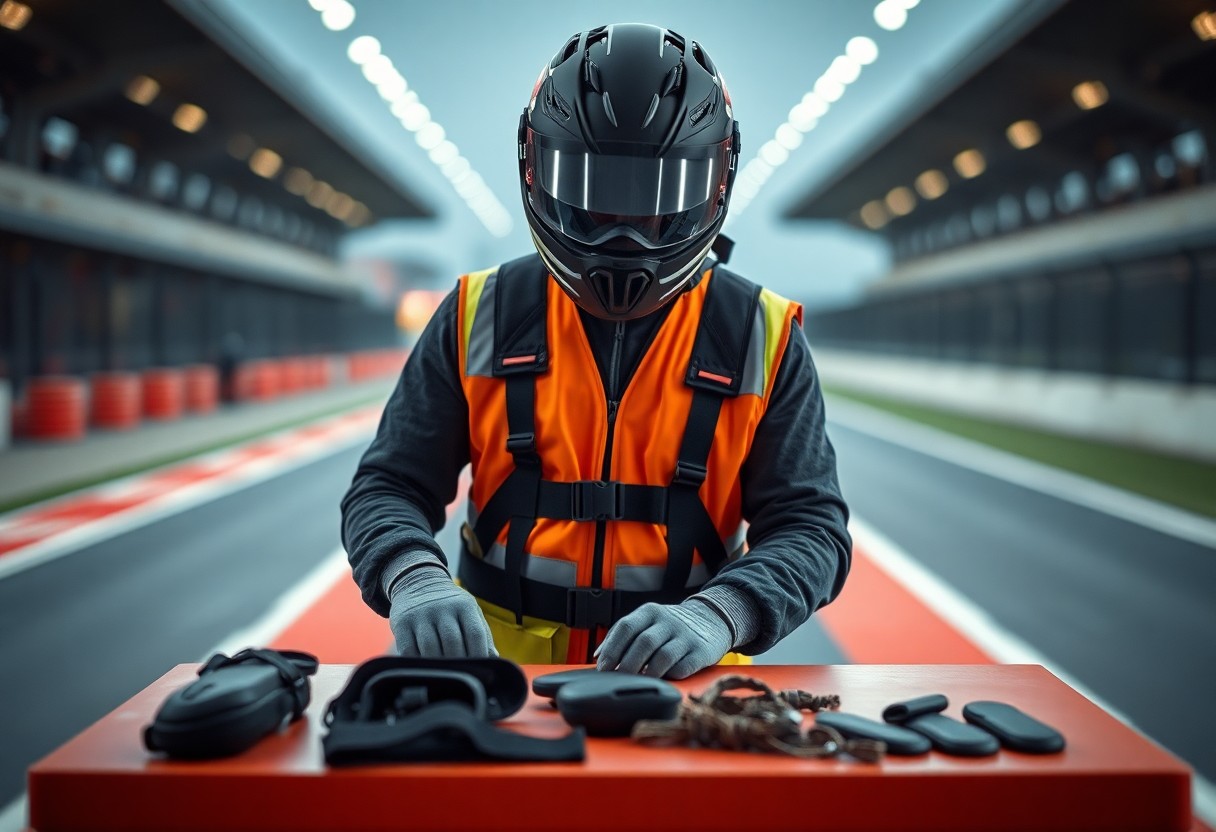
Safety gear in drone racing extends beyond basic padding; it encompasses a range of equipment designed to preserve your well-being and enhance your performance. Selecting the right gear requires a clear understanding of its features and proper utilization to protect against injuries sustained during crashes or unexpected obstacles. Many racers fail to recognize how vital each piece is, leading to inadequate protection while racing at high speeds.
Importance of Protective Equipment
Protective equipment significantly reduces the risk of serious injuries in drone racing. From head injuries caused by collisions to eye damage from debris, the consequences of neglecting safety gear can be dire. Using appropriate safety gear enables you to focus entirely on your performance without distractions from potential hazards.
Common Types of Safety Gear Used in Drone Racing
Several types of safety gear are favored by drone racers to mitigate risks on the track. Helmets, goggles, and gloves are often seen as vitals, while additional equipment such as knee pads and body armor can provide further protection. Selecting the appropriate gear ensures you maintain mobility while maximizing safety during intense races.
| Type of Gear | Description |
| Helmets | Protects your head from impact. |
| Goggles | Shield your eyes from debris. |
| Gloves | Enhance grip and protect hands. |
| Knee Pads | Prevent injuries during falls. |
| Body Armor | Offers additional impact protection. |
Choosing the right types of safety gear plays a pivotal role in ensuring your safety while racing. Helments serve as the first line of defense against severe injuries, while goggles protect your vision from debris that kicks up during flights. Gloves not only improve your handling of control sticks but also guard against scrapes. Knee pads offer cushioning, and body armor helps absorb impact, all contributing to a safer racing experience.
- Take time to understand fitting and usage guidelines.
| Gear Type | Usage Tips |
| Helmets | Ensure snug but comfortable fit. |
| Goggles | Adjust for maximum visibility. |
| Gloves | Choose flexible materials for better control. |
| Knee Pads | Wear underneath racing pants for comfort. |
| Body Armor | Opt for lightweight options to avoid restriction. |
Prioritizing the right protective gear is integral to successful drone racing. Each piece of equipment serves a specific purpose, whether it’s preventing head injuries, minimizing potential eye damage, or enabling better control of your drone. Wearing safety gear that fits well and is suited to your racing style can drastically improve your racing experience by instilling confidence.
- Focus on proper adjustments for optimal protection.
Misconceptions About Safety Gear
Many drone racers hold misleading beliefs about safety gear that can compromise their well-being on the track. Assumptions regarding the effectiveness and necessity of specific equipment lead to shortcuts and improper usage. A lack of understanding about the correct application of gear often results in post-race accidents that could have been easily avoided with a more informed approach.
Overconfidence in Skill Level
Your confidence in piloting skills can cloud judgment about safety gear usage. High-performing racers often feel invincible, neglecting proper safety protocols including equipment checks or the use of protective clothing. This overconfidence frequently leads to taking unnecessary risks that could jeopardize both personal safety and race performance.
Lack of Awareness of Potential Risks
Underestimating risks associated with drone racing can be a dangerous oversight. Many racers focus solely on their flying capabilities, forgetting that crashes can lead to serious injuries from both drones and debris. For instance, according to the FAA, incidents involving drones have been linked to bodily harm, showcasing the importance of protective gear. By ignoring potential hazards like poor visibility, fast-moving objects, or unpredictable flight paths, you may place yourself in harm’s way. Increasing your awareness of these risks can lead to safer racing experiences.
Incorrect Usage of Safety Gear
Many drone racers inadvertently misuse their safety gear, negating its intended benefits. Standard practices like wearing goggles or helmets often fall short when they’re not utilized effectively. For instance, rushing to put on gear without ensuring it’s properly adjusted can lead to distractions, potentially causing accidents. A stern reminder for those that use drones for photography to consider their safety practices highlights the need for awareness in correct usage.
Improper Fit and Adjustment
An ill-fitting helmet or goggles can significantly impact your racing experience. If your helmet slides during a race or your goggles fog up due to incorrect placement, your performance and safety are compromised. Take time to adjust all gear snugly and comfortably, ensuring that your line of sight is clear and unobstructed.
Failure to Replace Worn Equipment
Neglecting to replace worn safety gear poses a serious risk. Over time, helmets can crack, straps on goggles can fray, and padding can degrade, leading to malfunction during crucial moments.
Continuing to use worn-out safety gear can have dire consequences. For instance, a helmet that has taken multiple impacts loses its protective integrity and may not shield your head adequately in the event of a crash. Similarly, frayed straps can come undone, leaving your goggles vulnerable to dislodgment as you race. Regularly inspect your equipment and set a schedule for replacements to ensure your safety is never compromised.
Case Studies: Accidents and Injuries
Analyzing past drone racing incidents reveals a pattern of safety gear misuse that has led to serious injuries and accidents among racers. In one prominent case, a racer suffered a severe eye injury when their goggles malfunctioned mid-race. Another incident involved a drone crashing into a spectator, resulting in a broken arm. A survey conducted among racers revealed that over 70% admitted to not following proper protocols for gear inspection. These examples underscore the pressing need for better education on safety practices in drone racing.
- Case Study 1: Eye injury from goggles malfunction – 1 serious injury.
- Case Study 2: Spectator hit by drone – 1 broken arm.
- Case Study 3: 70% of racers do not inspect safety gear regularly.
- Case Study 4: Racing accident led to 5 hospitalizations over 3 years.
- Case Study 5: 25% of racers report near misses due to inadequate protective gear.
Analyzing Drone Racing Incidents
Each incident illustrates the consequences of neglecting proper safety gear usage. Many racers overlook routine inspections or fail to wear protective hardware altogether, significantly increasing the risk of injury. Data suggests that a high percentage of accidents stem from preventable mistakes, emphasizing the urgent need for diligent adherence to safety protocols.
Lessons Learned from Real-Life Examples
Real-life examples of drone racing accidents serve as clear reminders of the importance of using safety gear correctly. From goggles to body armor, proper equipment can significantly reduce the risk of injury. Understanding that simple lapses in safety can lead to severe outcomes reinforces your responsibility to take safety seriously.
Analyzing these cases shows a direct correlation between safety precautions and injury prevention. For instance, incidents involving collisions or equipment failure often share a common thread – inadequate gear use. You can prevent similar accidents by adhering to best practices and ensuring that your safety gear is well-maintained. By learning from others’ experiences, you increase your chances of enjoying the sport safely and sustainably.
Best Practices for Using Safety Gear
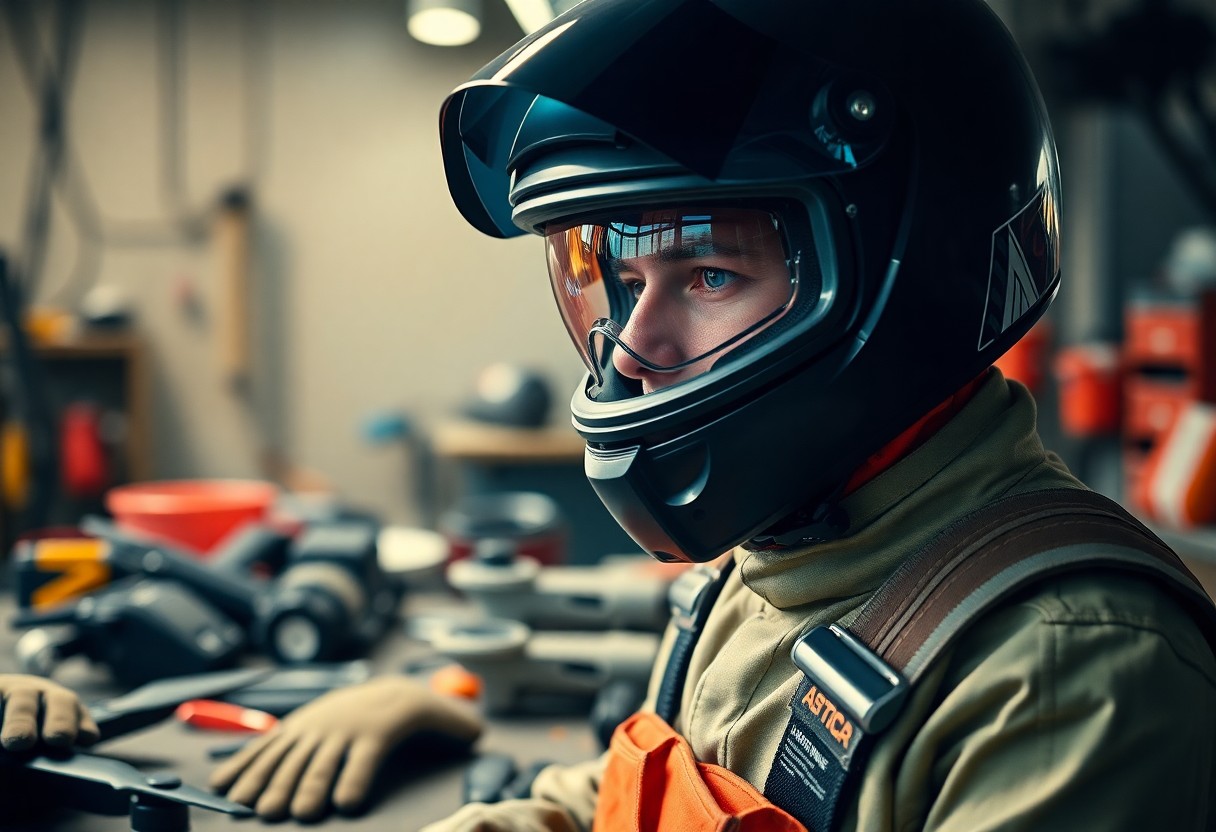
Utilizing safety gear effectively is vital for your protection during drone racing. Always ensure that your gear fits properly, as ill-fitting equipment can hinder performance and safety. Familiarize yourself with the specific functionality of each piece of gear, from helmets to gloves. Each item is designed for a purpose, and using them in conjunction with proper techniques enhances your safety significantly. Integration of safety gear into your racing routine can mitigate risks and improve your focus on the race itself.
Proper Training and Education
Understanding the functionality and limitations of your safety gear forms the foundation of effective usage. Seek out training sessions that focus on the application of each safety element, ensuring that you know how to react in different scenarios. Learning from experienced racers or safety professionals can enhance your skills and confidence, ultimately improving your safety on the track.
Regular Maintenance and Checks
Your safety gear requires consistent maintenance to perform optimally. Conduct regular inspections for signs of wear, damage, or malfunction. Failing to address minor issues can lead to serious failures in critical moments. Develop a routine check schedule before each race, ensuring that your gear remains reliable and ready when you need it most.
Regular inspections of your safety gear include checking for cracks in helmet visors, ensuring straps and closures function properly, and replacing any parts that show signs of wear. For goggles, clean lenses to maintain visibility and check battery levels for any electronic components. These simple actions not only prolong the life of your equipment but also ensure it will perform as expected during crucial moments in a race. A proactive approach to maintenance protects you from unexpected failures that could endanger your safety on the track.
Recommendations for Improvement
Improving safety gear usage among drone racers requires targeted strategies that enhance awareness and compliance. Conducting regular workshops and training sessions can equip racers with the knowledge needed to use their safety gear effectively. Establishing a safety checklist for pre-race inspections can serve as a practical tool, ensuring that all necessary equipment is worn correctly. Engaging experts to give talks and demonstrations will also foster a culture of safety, making it a core part of the racing experience.
Advocacy for Safety Awareness
Raising safety awareness is necessary in drone racing communities. Organizing informational campaigns highlighting the proper use of safety gear can help racers understand the potential risks and the advantages of adhering to best practices. Leveraging social media platforms and community events to disseminate safety information ensures that this message reaches a broader audience, reinforcing the importance of responsible racing.
Promoting a Culture of Safety in Drone Racing
Building a culture of safety within drone racing involves more than just following rules; it requires a shift in mindset. Encouraging racers to discuss safety openly at events can lead to sharing valuable insights and experiences. Peer mentorship programs can also facilitate learning, allowing seasoned racers to guide newcomers on best practices for gear usage and accident prevention. Implementing safety awards or recognition for those demonstrating exceptional commitment to safety can further incentivize this cultural shift.
To wrap up
Ultimately, understanding the common missteps in using safety gear can significantly enhance your drone racing experience. Many racers overlook basic guidelines, such as adjusting their goggles for optimal visibility or ensuring their helmets fit properly. By actively engaging with your equipment and learning from others, you’ll not only minimize the risks on the track but also improve your overall performance. Prioritizing the correct use of safety gear transforms your racing into a safer, more enjoyable activity, allowing you to focus on mastering your skills.
FAQ
Q: Why is safety gear important for drone racing?
A: Safety gear protects racers from injuries during crashes or collisions. It includes helmets, goggles, and padding, which can minimize the risk of serious accidents on the track.
Q: What common mistakes do racers make with their helmet use?
A: Many racers wear helmets that are not properly fitted, which reduces their effectiveness in protecting against head injuries. Additionally, some do not secure their helmets tightly, leading to movement during races.
Q: How do goggles impact a racer’s performance?
A: Goggles provide important visibility and depth perception, which are critical in high-speed racing. Incorrectly adjusted or low-quality goggles can impair vision, leading to accidents and poor performance.
Q: What are the consequences of not using protective pads?
A: Failing to use protective pads can result in significant injuries during crashes. Without proper padding on knees, elbows, and other vulnerable areas, racers are at higher risk of cuts, bruises, or fractures.
Q: How can racers improve their safety gear usage?
A: Racers should ensure all gear fits properly and is in good condition. Regularly checking the tightness of helmets, the clarity of goggles, and the integrity of pads can enhance safety and performance on the track.
Author


adidas FIFA World Cup 26™ Trionda Soccer Ball | Requires Inflation, For Indoor or Outdoor, Grass or Artificial Turf, Official Licensed World Cup Product
$26.95 (as of October 14, 2026 21:01 GMT +00:00 – More infoProduct prices and availability are accurate as of the date/time indicated and are subject to change. Any price and availability information displayed on [relevant Amazon Site(s), as applicable] at the time of purchase will apply to the purchase of this product.)
Momcozy BirthEase Pregnancy Ball Set, Birthing Yoga Ball with App Courses | BPA-Free, Anti-Burst, with Anti-Slip Base, Supports Pregnancy Stages & Postpartum with App-Guided Courses
$50.99 (as of October 14, 2026 21:01 GMT +00:00 – More infoProduct prices and availability are accurate as of the date/time indicated and are subject to change. Any price and availability information displayed on [relevant Amazon Site(s), as applicable] at the time of purchase will apply to the purchase of this product.)
EA SPORTS FC 27 Standard Edition PlayStation5 |Physical Disc I VideoGame |English
$67.88 (as of October 14, 2026 21:01 GMT +00:00 – More infoProduct prices and availability are accurate as of the date/time indicated and are subject to change. Any price and availability information displayed on [relevant Amazon Site(s), as applicable] at the time of purchase will apply to the purchase of this product.)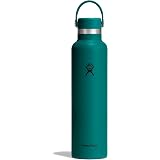
Hydro Flask Water Bottle – Insulated Stainless Steel – Non Spill, Leakproof in 24 Oz Deep Teal
$39.95 (as of October 14, 2026 21:01 GMT +00:00 – More infoProduct prices and availability are accurate as of the date/time indicated and are subject to change. Any price and availability information displayed on [relevant Amazon Site(s), as applicable] at the time of purchase will apply to the purchase of this product.)



Leave a Reply