Amazon Basics Neoprene Dumbbell Hand Weights for Exercise and Muscle Toning
$26.85 (as of November 3, 2026 22:32 GMT +00:00 – More infoProduct prices and availability are accurate as of the date/time indicated and are subject to change. Any price and availability information displayed on [relevant Amazon Site(s), as applicable] at the time of purchase will apply to the purchase of this product.)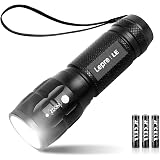
Lepro LED White Light Flashlight, High Lumens Waterproof Adjustable Focus | Small, lightweight. For outdoor, camping, emergency, tactical use. AAA batteries included. Adjustable zoom focus.
$9.99 (as of November 3, 2026 22:32 GMT +00:00 – More infoProduct prices and availability are accurate as of the date/time indicated and are subject to change. Any price and availability information displayed on [relevant Amazon Site(s), as applicable] at the time of purchase will apply to the purchase of this product.)
Owala FreeSip Sway Stainless Steel Water Bottle 30oz Harry Potter Vignettes | Cupholder Friendly | Triple-Layer Insulation | Leak-Proof Lid with Push-Button to Open
$39.99 (as of November 3, 2026 22:32 GMT +00:00 – More infoProduct prices and availability are accurate as of the date/time indicated and are subject to change. Any price and availability information displayed on [relevant Amazon Site(s), as applicable] at the time of purchase will apply to the purchase of this product.)
Owala Marvel Spider-Man FreeSip Stainless Steel Water Bottle 32 oz
$34.11 (as of November 3, 2026 22:32 GMT +00:00 – More infoProduct prices and availability are accurate as of the date/time indicated and are subject to change. Any price and availability information displayed on [relevant Amazon Site(s), as applicable] at the time of purchase will apply to the purchase of this product.)
Gas One GS-3400P Propane or Butane Stove Dual Fuel Stove Portable Camping Stove – Patented – with Carrying Case Great for Emergency Preparedness Kit
$29.99 (as of November 3, 2026 22:32 GMT +00:00 – More infoProduct prices and availability are accurate as of the date/time indicated and are subject to change. Any price and availability information displayed on [relevant Amazon Site(s), as applicable] at the time of purchase will apply to the purchase of this product.)Key Takeaways
Learn the fundamentals of PID tuning to enhance your drone’s responsiveness and stability.
Choose the right propeller size and shape to match your drone’s power and intended racing style.
Understand how motor specifications can impact your drone’s performance.
Discover the importance of battery selection for optimal flight time and power delivery.
Use flight simulators to practice and improve your racing skills in a risk-free environment.
Revving Up Your Racing Drone
Let’s dive straight in. To get the most out of your FPV racing drone, you need to start with tuning. This isn’t about just making minor adjustments; it’s about unlocking the full potential of your machine. The right tuning can mean the difference between a drone that’s hard to control and one that feels like an extension of your own reflexes.
Discover Your Drone’s Potential
Every drone has its unique quirks, and understanding these is crucial for effective tuning. Before you tweak anything, make sure you’re familiar with your drone’s behavior in its current state. Fly it in different conditions, get a feel for how it responds to your commands, and note any areas that need improvement.
Finding the Perfect Balance: Weight and Power
The dance between weight and power is a delicate one. A lighter drone can be more agile, but it might lack the stability and momentum needed for certain maneuvers. Conversely, more power can give you speed, but it can also make your drone more challenging to control. Striking the right balance is essential for competitive racing.
Understanding Motor Specs for Optimal Performance
Motor specifications play a critical role in how your drone performs. You’ll want to look at:
KV rating, which affects the RPMs your motors will deliver.
Stator size, determining the torque and responsiveness.
The number of windings, which can influence power and efficiency.
Choose motors that complement your flying style and the courses you’ll be racing on.
Mastering the Art of PID Tuning
PID tuning is all about balance. It’s the process of adjusting the Proportional, Integral, and Derivative gains in your flight controller to refine how your drone responds to your inputs and external factors like wind.
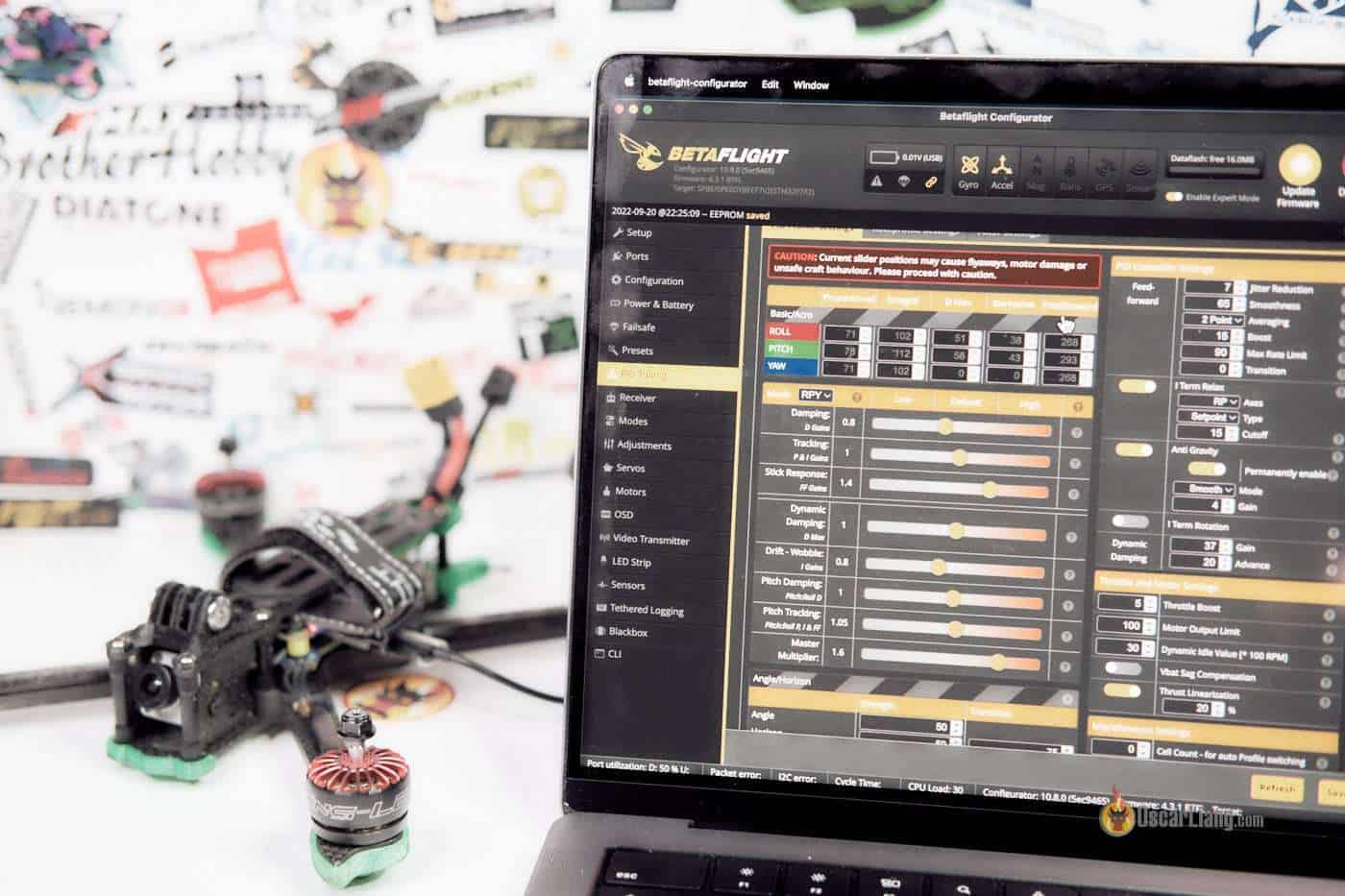
“Betaflight FPV Drone Tuning In 10 …” from oscarliang.com and used with no modifications.
The Basics of PID Explained Simply
Think of PID like the suspension in a car:
Proportional gain is like the shock absorbers, smoothing out the ride.
Integral gain keeps you on track over bumps, like power steering.
Derivative gain prevents you from overcorrecting, like traction control.
You’ll want to start with the defaults and adjust from there based on your flight experience. Keep changes small – we’re talking one click at a time.
Example: If your drone wobbles after a sharp turn, it might be time to adjust the Proportional gain to stabilize it quicker.
Remember, tuning is an iterative process. Make one change at a time and test fly after each adjustment. This way, you can directly observe the effects of your tweaks.
Fine-Tuning for Precision and Responsiveness
Now that you understand the basics of PID, it’s time to fine-tune your drone. Precision and responsiveness are the end goals. You want your drone to do exactly what you tell it to do, exactly when you tell it to do it. Start with small adjustments to the PIDs and observe how your drone behaves. If it’s too twitchy, dial back. If it’s sluggish, it might need a bit more.
Remember, every drone is different, and your personal flying style plays a big role in how you’ll want to tune your machine. Don’t be afraid to experiment, but always ensure your changes are making the drone more in tune with your controls, not less.
Propellers: Size, Shape, and Spin
Propellers are the unsung heroes of drone racing. They convert the motor’s power into the thrust that propels your drone forward. But not all props are created equal. The size, shape, and pitch of your propellers can drastically affect your drone’s performance.
Prop Selection for Speed and Agility
When it comes to prop selection, here’s what you need to consider:
Size: Larger props generate more thrust but can reduce agility. Smaller props offer quick acceleration and nimble handling.
Shape: The curvature and angle of the blades affect how air moves across them. More aggressive shapes can lead to faster speeds but require more power.
Pitch: A steeper pitch means more air is pushed with each rotation, which can be great for speed but tough on batteries.
Match your props to the type of racing you do. Tight, technical courses might benefit from smaller, less aggressive props, while open, high-speed tracks could give the edge to larger, higher-pitched blades.
And don’t forget to consider the material your props are made from. Durability can be just as important as performance, especially when you’re brushing against gates and other racers.
It’s a balancing act. You might need to try a few different types to find the sweet spot for your specific drone and racing style.
Impact of Prop Dynamics on Racing Efficiency
The right propeller doesn’t just make your drone faster; it makes it more efficient. Efficiency means less battery drain and more time on the course. It also means less wear on your motors since they won’t have to work as hard to keep you in the air. Think of your propellers as the tires of your drone. Just like in car racing, the right tires for the right track can make all the difference.
The Impact of Battery Choices
Batteries are the fuel tanks of your FPV drone. They’re what give your drone the juice to keep flying at top speeds. But not all batteries are equal. The voltage, capacity, and discharge rate all affect your drone’s performance.
Optimizing Battery Life for Extended Flights
When it comes to batteries, it’s not just about having enough power; it’s about sustaining that power throughout the entire race. You’ll want to select a battery that offers the best balance between capacity (measured in mAh) and discharge rate (C rating). A higher capacity means longer flights, but also more weight. A higher discharge rate means more power available to your motors, but it can also lead to a shorter lifespan for the battery.
Balancing Battery Weight and Power Output
The weight of your battery is a critical factor in your drone’s handling. Heavier batteries can provide more flight time but at the cost of agility. You’ll want to find the lightest battery that can give you the power and duration needed for a race. This might mean using a smaller battery for shorter races and a larger one for endurance events.
Advanced Settings: Expo and Rates
Exponential (expo) settings and rates are what give you the fine control over your drone’s responsiveness. Expo softens the response around the center of your control sticks, which can be great for making smooth, precise movements during a race.
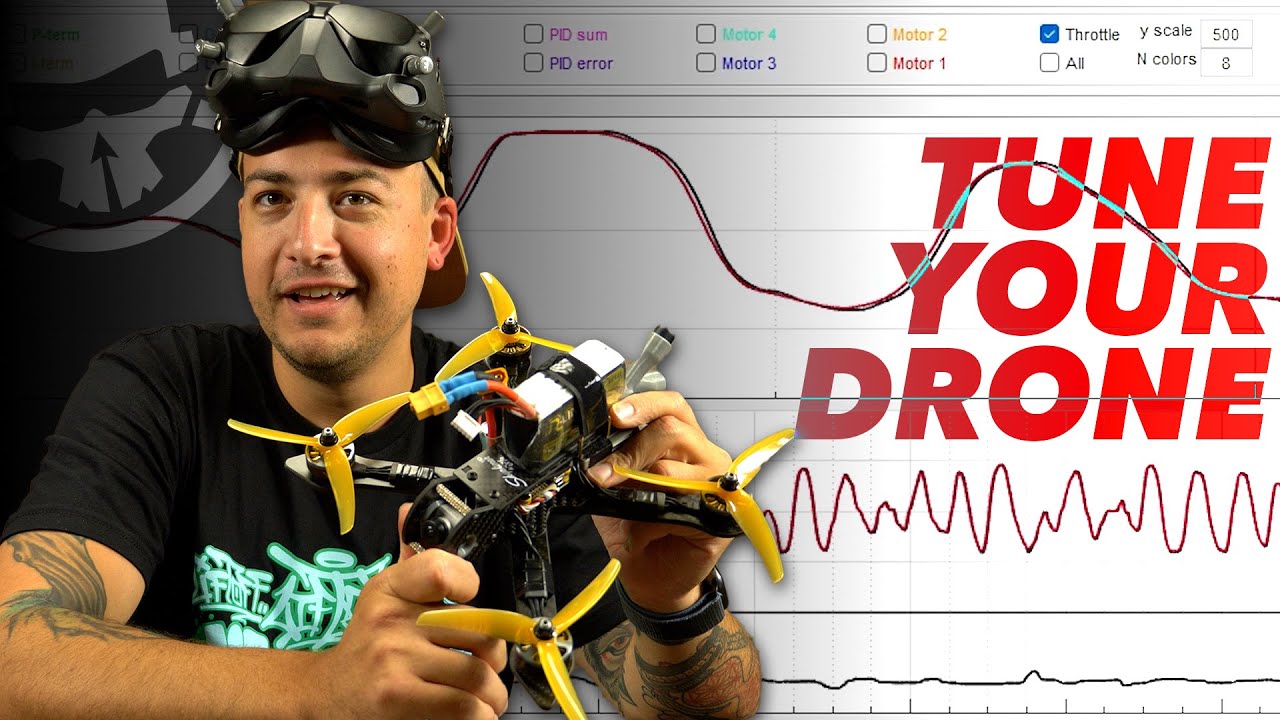
“How To Tune an FPV Drone with Black Box …” from www.youtube.com and used with no modifications.
Setting Up Rates for Your Flying Style
Rates determine how fast your drone reacts to stick movements. Higher rates mean snappier responses, perfect for quick turns and flips. Lower rates offer more gradual control, which can be great for new pilots or when precision is key.
To set up rates that suit your style, start with a moderate setting and adjust up or down depending on whether you want more sensitivity or stability. Remember, the goal is to make the drone feel like an extension of your hands.
Exponential Curves for Enhanced Control
Exponential curves can be a game-changer. They allow you to have fine control when you’re near the center of the stick’s range, but still have full power when you push the stick to the extremes. It’s like having the best of both worlds: precision when you need it and full-on agility when you don’t.
Adjusting the expo settings is a bit of an art. It’s about feeling the response you get while flying and tweaking it until it feels just right. Start with a small amount of expo and increase it until you hit that sweet spot where control feels natural and intuitive.
Flight Simulators: The Virtual Training Ground
Flight simulators are an incredible tool for honing your racing skills without the risk of crashing your physical drone. They provide a realistic flying experience that can translate directly to real-world performance.
Using Simulation for Real-world Readiness
Simulators allow you to practice on virtual courses that mimic the ones you’ll fly in real life. You can experiment with different settings, get comfortable with new maneuvers, and build muscle memory for your controls. All of this practice adds up, making you a more confident and capable pilot on race day.
The Best Simulators on the Market
There are several high-quality simulators out there, each with its own set of features. Some of the top picks among racers include:
VelociDrone: Known for its realistic physics and a wide variety of tracks.
Liftoff: Offers great customization options and a strong community.
DRL Simulator: The official simulator of the Drone Racing League, with detailed environments and competitive racing.
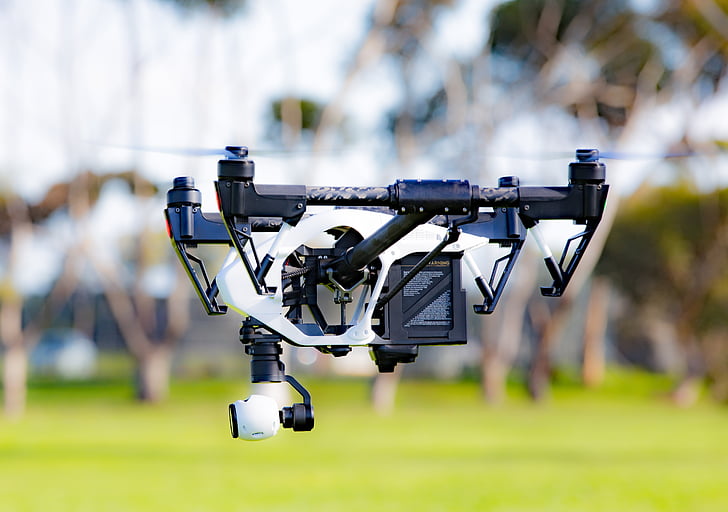
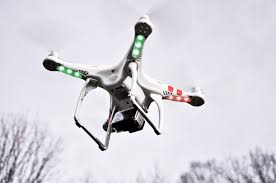
“Black and white quadcopter drone under …” from www.pickpik.com and used with no modifications.
Choose the simulator that feels the most intuitive to you and has the features that match your training needs. The key is to use the simulator regularly, treating it like actual flight practice.
With these tips and tricks in your arsenal, you’re well on your way to becoming a top contender in the world of FPV racing. Remember, practice makes perfect, and the more you tune and fly, the better you’ll understand your drone and how to get the most out of it.
Drone Racing Clubs and Communities
Joining a drone racing club or community can be a game-changer for your performance. It’s where you can meet fellow enthusiasts, exchange knowledge, and get hands-on experience. Most importantly, you can learn from others’ mistakes and successes, saving you time and frustration.
Where to Find Fellow Racers and Events
Looking for like-minded racers? Social media groups, online forums, and websites dedicated to drone racing are great places to start. Platforms like Meetup can also help you find local clubs and events. Once you’ve connected with a community, attend races and meet-ups to immerse yourself in the culture and learn from the collective wisdom.
Learning from the Pros: Tips from Top Pilots
There’s no substitute for learning from those who are at the top of their game. Watch interviews, read articles, and if possible, attend workshops or training sessions led by professional pilots. They can provide insights and tips that are not always apparent to those outside the competitive circuit.
FAQs
Now, let’s address some common questions that might be on your mind as you work on tuning your FPV racing drone for peak performance.
How Do I Know If My Drone Is Tuned Correctly?
You’ll know your drone is well-tuned when it responds predictably and smoothly to your controls. It should hover without drifting, handle turns gracefully, and recover quickly from maneuvers. If your drone feels shaky or unresponsive, it’s a sign that further tuning is needed.
Can PID Settings Be the Same for Every Drone?
No, PID settings are not one-size-fits-all. Each drone has different characteristics based on its weight, frame geometry, motor power, and other factors. Therefore, PID settings need to be customized to each individual drone’s specifications and the pilot’s preferences.
What Are the Best Propellers for FPV Racing?
The best propellers for FPV racing depend on the track and your flying style. Generally, you’ll want a balance between responsiveness and speed. For tight courses, consider lower-pitch propellers for better handling. For open courses, high-pitch propellers can give you the speed edge. For more in-depth information, check out our guide on drone racing tuning with Betaflight.
Why Is Battery Management Important in Drone Racing?
Battery management is crucial because it directly affects your drone’s performance and flight time. A well-managed battery ensures that you have enough power throughout the race and that your drone’s weight is optimized for agility and speed.
How Can Flight Simulators Improve My Real-World Racing Skills?
Flight simulators are a risk-free environment to practice and perfect your racing skills. They allow you to familiarize yourself with various tracks, experiment with different tuning settings, and improve your reaction time and control, all of which are directly transferable to real-world racing.
Author

DaMaiTeMai 2027 New 3 in 1 Winter Hat, Fleece Double‑Layer Integrated Hat | 3-in-1 Face & Neck Gaiter, Unisex Winter Fleece Balaclava Hood, Adjustable Windproof Designed for Cycling, Skiing and Cold
(as of November 3, 2026 22:32 GMT +00:00 – More infoProduct prices and availability are accurate as of the date/time indicated and are subject to change. Any price and availability information displayed on [relevant Amazon Site(s), as applicable] at the time of purchase will apply to the purchase of this product.)
LED Headlamp Rechargeable Flashlight | LED Headtorch, Rechargeable 230 Wide Angle Beam Headlight, 4 Light Modes Adjustable Waterproof Head Lamp with Motion Sensor
(as of November 3, 2026 22:32 GMT +00:00 – More infoProduct prices and availability are accurate as of the date/time indicated and are subject to change. Any price and availability information displayed on [relevant Amazon Site(s), as applicable] at the time of purchase will apply to the purchase of this product.)
Lormandy Straw Water Filter 5 Pack – Outdoor Camping & Hiking Survival Gear | Family Use Ultra-Light Personal Filter Straws | Backpacking, Travel, Bug-Out Bags, Emergency Preparedness
$69.88 (as of November 3, 2026 22:32 GMT +00:00 – More infoProduct prices and availability are accurate as of the date/time indicated and are subject to change. Any price and availability information displayed on [relevant Amazon Site(s), as applicable] at the time of purchase will apply to the purchase of this product.)
2026 Topps NFL Heritage Football – Factory Sealed – Value Box
$24.99 (as of November 3, 2026 22:32 GMT +00:00 – More infoProduct prices and availability are accurate as of the date/time indicated and are subject to change. Any price and availability information displayed on [relevant Amazon Site(s), as applicable] at the time of purchase will apply to the purchase of this product.)